Dillenia bracteata
Dillenia bracteata
Description
Dillenia bracteata is a distinct tropical plant species belonging to the family Dilleniaceae. This evergreen tree is recognized for its unique floral morphology and its ecological significance within tropical forests. As an agricultural commodity, it serves specific niches in agroforestry and traditional regional economies.
The origin of Dillenia bracteata is primarily traced to the moist rainforest regions of Sri Lanka. Its cultivation is strictly limited to tropical zones where high humidity and consistent rainfall occur throughout the year. It does not possess any frost tolerance, making it unsuitable for temperate agricultural zones without controlled climate greenhouse facilities.
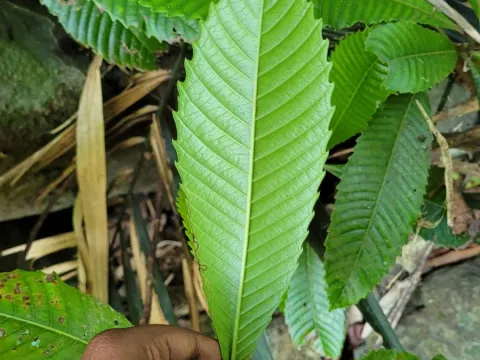
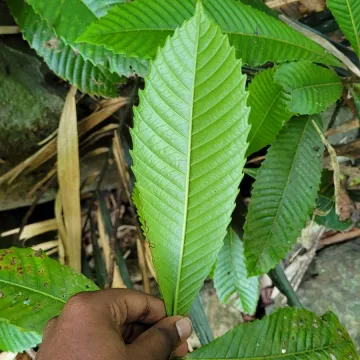
Botanically, the tree exhibits coriaceous, large leaves and distinctive flowers protected by prominent bracts. The fruit development process is slow, requiring specific pollination interactions common in its native habitat. The tree's structure is robust, often characterized by a straight trunk and a dense canopy that provides significant biomass within its natural ecosystem.
Agricultural requirements for successful cultivation include well-draining, nutrient-rich soils with a preference for slightly acidic substrates. Management practices must focus on maintaining high soil moisture levels and avoiding the accumulation of stagnant water, which can induce root rot. Regular pruning is necessary to maintain the tree's health and ensure optimal structural integrity.
- Consistent irrigation is mandatory during the dry season.
- Application of organic fertilizers to support rapid leaf development.
- Regular inspection for signs of fungal pathogen infiltration in bark.
- Spacing guidelines to prevent canopy overcrowding and airflow restriction.
The primary uses of Dillenia bracteata involve timber production, where the wood is valued for specific crafting purposes, and the harvesting of fruit in subsistence farming. Common pests include various sap-sucking insects and leaf-miners that thrive in tropical climates, while diseases are frequently related to opportunistic fungi during excessive rainfall periods.
Photo gallery