Dillenia excelsa
Dillenia excelsa
Description
Dillenia excelsa is a prominent evergreen tree species belonging to the Dilleniaceae family. Known for its significant height and robust structure, this plant is a staple of tropical ecosystems. It is highly valued for its wood quality and specific physiological adaptations that allow it to thrive in dense forest environments.
The species originates from the tropical regions of Southeast Asia, specifically across the Malay Archipelago. The natural range of this tree is strictly defined by tropical rainforest climates characterized by high annual precipitation and constant temperatures. Consequently, its cultivation is largely restricted to similar climatic zones where the plant can fulfill its growth potential.
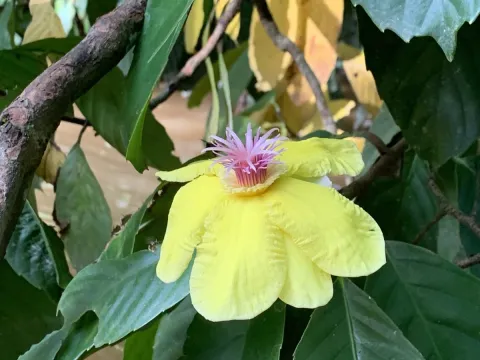
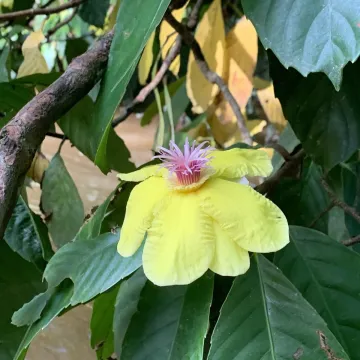
Botanically, Dillenia excelsa is defined by its large, leathery leaves and distinctive flowers that often exhibit a vibrant color profile. The plant’s architecture is characterized by a strong trunk and complex branching patterns. Its reproductive system involves the production of fleshy fruits that serve as a source of food for local fauna, aiding in natural seed dispersal.
Agricultural requirements focus on providing a rich, well-drained, acidic soil profile. In managed landscapes, the tree requires consistent irrigation and protection from direct, desiccating winds. Proper soil management, including the maintenance of organic matter levels, is critical for the long-term health of the plantation. The tree is generally propagated via seed or vegetative cuttings under controlled conditions.
Economic and practical uses include:
- Timber production for high-quality furniture and internal construction.
- Traditional ethnobotanical use of various plant parts in local medicine.
- Landscape architecture and reforestation projects in tropical areas.
- Soil stabilization due to a robust and deep root system.
Pests and diseases primarily include various fungal infections that can affect the root system if drainage is compromised. Additionally, leaf-eating insects and wood-boring beetles are considered common biological threats. Effective management involves integrated pest management (IPM) strategies, which prioritize regular observation and environmental control over the excessive use of chemical interventions.
Photo gallery