Dillenia suffruticosa
Dillenia suffruticosa
Description
Dillenia suffruticosa is an evergreen, perennial shrub belonging to the Dilleniaceae family. Known for its robust growth and distinctively shaped foliage, this plant is a prominent feature in the landscapes of Southeast Asia, where it is often recognized as a pioneer species in secondary forest successions.
The origin of this culture is traced back to the tropical regions of Borneo, Sumatra, and the Malay Peninsula. It thrives in humid lowland areas, frequently occupying disturbed lands, swampy margins, and open areas with direct sunlight. Its ability to adapt to varying soil conditions makes it a resilient plant in its native habitat.
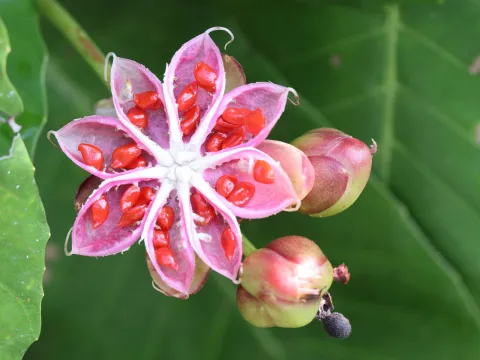
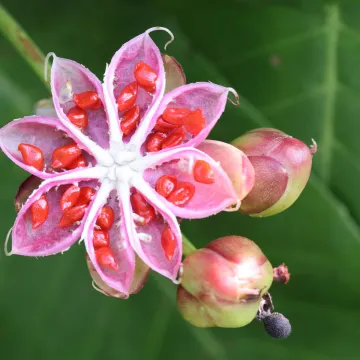
Botanically, the plant is characterized by large, leathery, serrated leaves that can reach significant lengths. The flowers are bright yellow, visually striking, and possess a distinct fragrance. A unique reproductive feature is its fruit, which splits into star-shaped sections upon ripening, exposing seeds that are easily dispersed by birds and water, aiding its invasive nature in native ranges.
Agricultural requirements for Dillenia suffruticosa include a tropical climate with high annual rainfall and consistently warm temperatures. It prefers deep, nutrient-rich soils that retain moisture but allow for adequate drainage. In terms of management, the shrub requires minimal maintenance, though pruning is recommended to manage its size and encourage denser canopy development in ornamental settings.
Economic and practical applications include:
- Landscape architecture and urban greening in tropical environments.
- Traditional medical practices utilizing various plant parts for wound healing.
- Use of large leaves for temporary food packaging in rural communities.
- Soil stabilization and habitat restoration in degraded land areas.
Regarding health and protection, the plant is relatively hardy but can suffer from fungal root rot if grown in waterlogged conditions without proper drainage. Common pests include scale insects and various larvae that feed on the foliage. Monitoring the plant's leaf health and ensuring good air circulation are the most effective strategies for preventing infestations and disease outbreaks.
Photo gallery