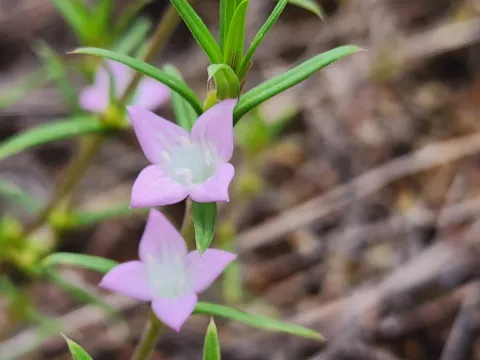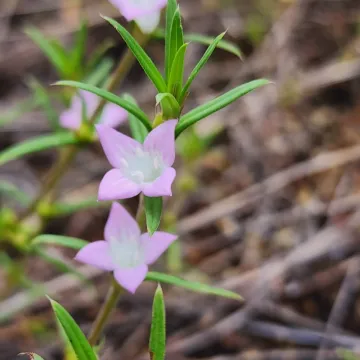
Diodia apiculata
Diodia apiculata
Description
Diodia apiculata is a herbaceous plant belonging to the Rubiaceae family. This species is native to specific tropical and subtropical environments where it acts as a significant botanical component in local ecosystems. In agricultural settings, it is valued for its resilience and ability to thrive in varied environmental conditions within its native range.
Originating primarily from South American regions, particularly Brazil, this species is well-adapted to warm climates with high humidity. Its distribution is closely linked to its preference for stable temperatures, making it a reliable botanical fixture in areas where seasonal fluctuations are minimal and growth conditions remain favorable throughout most of the year.
The botanical profile of Diodia apiculata is defined by its pointed leaves, which are arranged oppositely along the stems. The flowers are generally small and clustered, reflecting the typical morphology of the Rubiaceae family. Its growth habit can be either prostrate or ascending, providing excellent ground cover that helps maintain soil moisture levels and prevents erosion.
Regarding cultivation requirements, the plant demands well-drained, nutrient-rich soils with a slightly acidic to neutral pH. Proper sunlight exposure is crucial for maximizing biomass production. In terms of agronomy, maintaining an optimal soil moisture level is essential, although the plant displays a moderate tolerance to fluctuations in water availability during its developmental stages.
Economically, this culture is recognized for its potential as a forage resource for livestock and its role in protecting soil integrity in degraded landscapes. Pathogens and pests are managed through standard agricultural practices, focusing on maintaining field hygiene to prevent root rots and foliar diseases caused by excessive moisture. Continued research explores its biochemical properties for potential medicinal uses.
- Excellent soil-binding properties for erosion control.
- Rapid biomass accumulation in tropical climates.
- High adaptability to various local soil compositions.
Photo gallery