Diodia natalensis
Diodia natalensis
Description
Diodia natalensis is a perennial herbaceous plant belonging to the Rubiaceae family. While not a conventional staple crop, it remains a plant of significant interest in botanical studies due to its unique secondary metabolites and its natural occurrence in diverse tropical ecosystems.
The origin of this species is traced to the southern and eastern regions of Africa. Its native habitat comprises humid tropical zones where the climate is characterized by abundant sunlight and moderate to high rainfall levels throughout the year. It has adapted to flourish in open areas with high competitive potential against other ground-level vegetation.
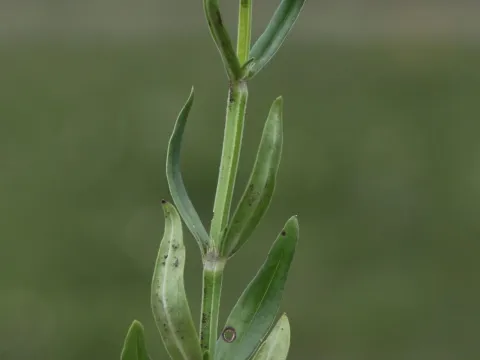
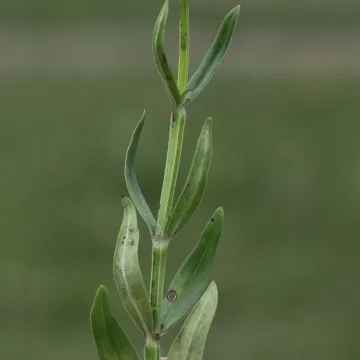
Botanically, the plant presents as a low-growing shrub with opposite, lanceolate leaves that often have a distinct texture. The inflorescences are small, typical of the Rubiaceae family, and are generally found in the leaf axils. The root system is robust, providing the plant with the ability to thrive in various types of soil, ranging from sandy loams to slightly acidic clay-based soils.
Agricultural requirements focus on maintaining high thermal stability and adequate drainage. Diodia natalensis is sensitive to frost, necessitating controlled environments for cultivation in non-tropical zones. Soils should be rich in organic matter, and consistent monitoring of soil moisture is required to prevent physiological disorders such as root respiration stress.
Economic and research utility of Diodia natalensis includes several key areas:
- Exploration of antimicrobial properties for potential pharmaceutical use.
- Phytochemical investigation of leaf extracts for bio-active compounds.
- Role in ecological restoration as a soil-stabilizing species.
- Botanical collection and scientific research into the Rubiaceae genus diversity.
Common phytosanitary issues include fungal infections that manifest under conditions of high humidity and poor airflow. Managing these risks involves maintaining optimal spacing between plants and implementing strict pruning schedules to remove necrotic tissue, thereby reducing the risk of pathogen transmission within the crop.
Photo gallery