Diodia saponariifolia
Diodia saponariifolia
Description
Diodia saponariifolia is a herbaceous plant belonging to the Rubiaceae family. As a member of this diverse family, it exhibits characteristic physiological traits that make it a subject of interest for both botanical research and regional agricultural applications in tropical environments.
The plant originates from the tropical and subtropical regions of the Americas. Its natural habitat is typically found in areas with high humidity and consistent rainfall patterns. In its native range, the plant plays an essential role in maintaining ground cover and supporting local biodiversity within its specific ecosystem.
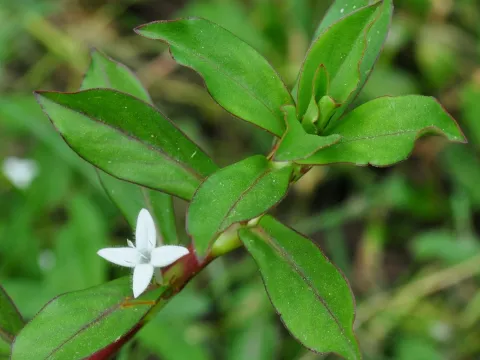
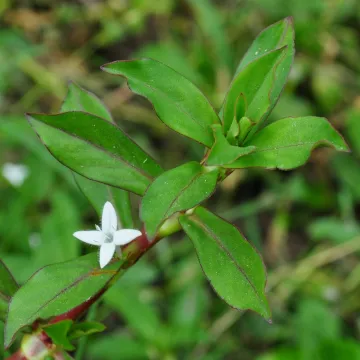
From a botanical standpoint, the plant is characterized by its opposite leaves, which resemble those of the soapwort (Saponaria), hence its specific epithet. The stems are generally branched and can exhibit prostrate or semi-erect growth habits depending on the availability of sunlight and competition from neighboring vegetation. Its root system is moderately developed, supporting its survival in various soil textures.
Agronomically, Diodia saponariifolia requires well-drained, fertile soils with a balanced mineral content. It thrives best in warm climates and requires consistent moisture during its active growth phases. Cultivation practices include regular weed control and proper site preparation to ensure that seedlings have sufficient space to establish their root systems before the canopy closes.
Economic and practical uses include:
- Application as a component of tropical forage and pasture systems.
- Utilizing the plant for soil erosion control due to its spreading growth habit.
- Research into its phytochemical properties for potential agricultural and industrial extracts.
The crop is occasionally susceptible to common fungal pathogens, particularly those affecting the foliage, and may face pressure from sap-sucking insects in dense plantings. Integrated pest management (IPM) strategies, including biological control and careful irrigation management, are recommended to minimize losses and maintain the health of the plant population.
Photo gallery