Dioscorea caucasica
Dioscorea caucasica
Description
Dioscorea caucasica is a perennial herbaceous vine belonging to the Dioscoreaceae family. This species is highly regarded for its significant pharmacological potential, specifically due to the concentration of steroid saponins within its rhizomes. As a rare and endangered plant species, it is strictly protected in its natural habitats, necessitating sustainable cultivation practices for those interested in its medicinal applications.
The plant is native to the Caucasus region, primarily found in the temperate broad-leaved forests of the Western Caucasus. It thrives in humid, shaded environments and requires a stable climate to complete its slow growth cycle. Historically, the plant has occupied mountain slopes and forest fringes, where deep, humus-rich soil provides the necessary nutrients for its root development.
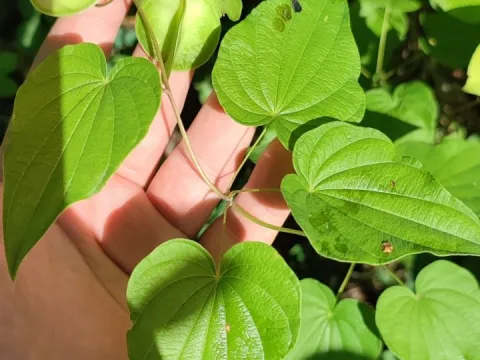
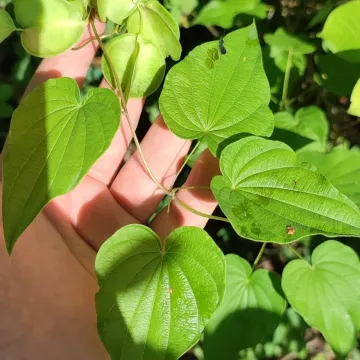
Botanically, Dioscorea caucasica is characterized by its twining stems that require vertical support to thrive. The foliage consists of alternate, heart-shaped leaves that provide the energy necessary for the plant’s slow expansion. The rhizome, the most critical part of the plant for human use, is fleshy, branched, and accumulates bioactive compounds over several years of growth.
Cultivation requires meticulous attention to soil preparation, favoring loose, well-drained, and nutrient-rich substrates. The plant is sensitive to waterlogging and demands consistent moisture levels without excessive saturation. In agricultural settings, it is essential to provide artificial shading to simulate the forest floor environment, alongside regular weed control and organic enrichment to support the development of the rhizome.
- Propagation via seeds or rhizome divisions.
- Requirement for vertical trellises or supports.
- Constant monitoring for fungal root diseases.
- Application of leaf mulch to preserve soil humidity.
The primary economic use of this culture lies in the pharmaceutical industry. The rhizomes are harvested to produce medicines used to treat atherosclerosis, hypercholesterolemia, and various metabolic disorders. Because of its extremely slow growth, commercial production is a long-term investment, often taking over five years for the plant to reach the stage of medicinal maturity for effective harvest.
Photo gallery