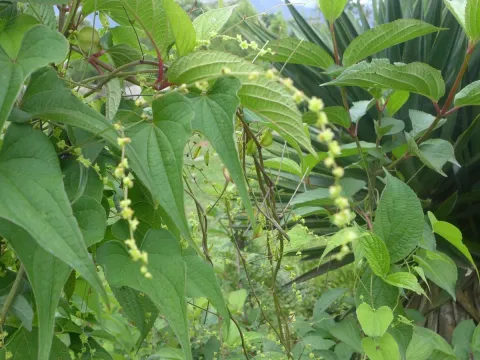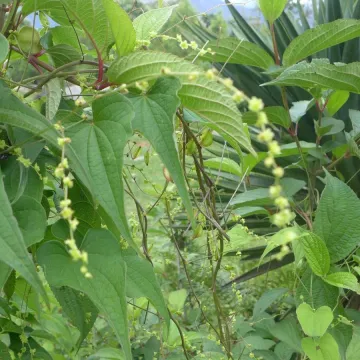
Dioscorea deltoidea
Dioscorea deltoidea
Description
Dioscorea deltoidea is a perennial herbaceous climber belonging to the family Dioscoreaceae. This agricultural crop is highly valued for its rhizomes, which are a primary source of steroidal saponins, specifically diosgenin, which is widely utilized in the pharmaceutical industry to synthesize steroid hormones.
The plant is native to the Himalayan region, including parts of India, China, Nepal, and Pakistan. It thrives in temperate and subtropical forest environments, preferring cool, humid conditions and mountain slopes where it can climb naturally. Due to its specific habitat requirements, cultivation is usually performed in regions mimicking these natural ecological niches.
Botanically, the plant is characterized by a thick, fleshy, and branching rhizome. The aerial stems are thin and twining, featuring heart-shaped or deltoid leaves. The plant undergoes a distinct vegetative period, followed by flowering and the development of capsules containing winged seeds that aid in natural dispersal.
Cultivation requires fertile, loamy, and well-drained soils to prevent root rot. The crop does not tolerate waterlogging, making proper drainage systems essential in managed agricultural plots. It can be propagated via rhizome cuttings or seeds, though vegetative propagation is preferred for consistency in commercial plantings.
Key agricultural practices for maintaining healthy crops include:
- Providing robust trellis systems to support the vining habit and maximize light exposure.
- Applying regular moisture management to ensure soil stays damp but not soaked.
- Performing routine weeding, especially during the early establishment phase.
- Implementing organic or mineral fertilization schedules based on soil nutrient testing.
The plant is susceptible to fungal diseases, particularly rot-inducing pathogens that affect the rhizome if drainage is inadequate. Additionally, aphids and spider mites can cause damage to the foliage. Integrated pest management, focusing on early detection and soil aeration, is the most effective way to protect this valuable medicinal crop.
Photo gallery