Bitter yam
Dioscorea dumetorum
Description
Bitter yam (Dioscorea dumetorum) is a perennial climbing herbaceous plant belonging to the Dioscoreaceae family. It is a vital tuber crop primarily cultivated in tropical Africa, recognized for its hardiness and ability to thrive in diverse soil conditions where other yam species might struggle to establish.
The plant originates from tropical Africa, where it remains a significant dietary staple. It is widely grown across humid and sub-humid tropical regions. Unlike some other yam varieties, it is highly resilient, making it a preferred crop for smallholder farmers who operate in environments with poor soil fertility or erratic rainfall patterns.
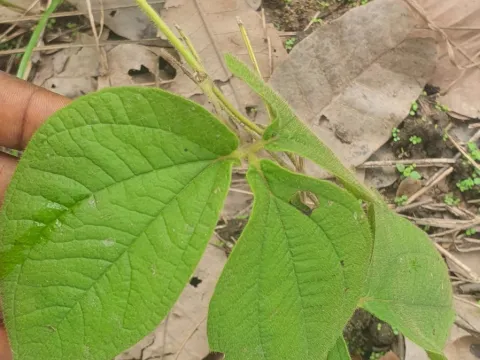
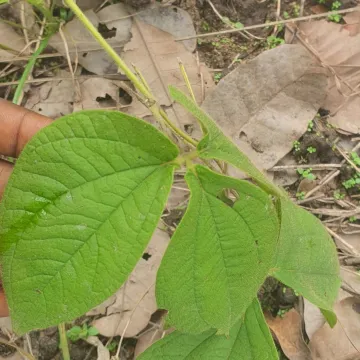
Botanically, it is characterized by its prickly vines and compound leaves. The underground tubers are the primary harvestable part; however, they often contain secondary metabolites like alkaloids, specifically dihydrodioscorine, which impart a bitter taste and toxicity if not processed through boiling or soaking before consumption.
Agricultural requirements for Dioscorea dumetorum include well-drained, loose, sandy-loam soils. Proper spacing is essential to prevent overcrowding, and staking is highly recommended. Staking not only helps in managing the vine growth but also facilitates easier weeding and harvesting, while simultaneously improving plant health by maximizing light exposure.
The crop is utilized primarily for food, processed into flour, or boiled as a direct vegetable source. Proper management is key to mitigating common agricultural challenges that threaten the yield:
- Leaf spot diseases caused by various fungal pathogens.
- Root-knot nematodes that target the developing tubers.
- Scale insects and mealybugs which weaken the climbing vines.
Photo gallery