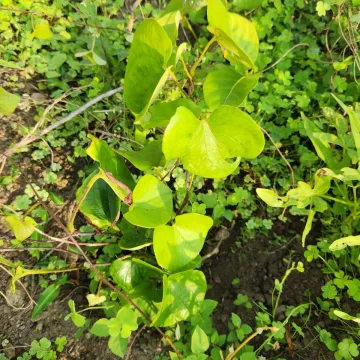

Dioscorea fasciculata
Dioscorea fasciculata
Description
Dioscorea fasciculata is a perennial climbing plant belonging to the Dioscoreaceae family. Known primarily for its edible tubers, this species serves as a vital carbohydrate source in various tropical agricultural systems. The plant develops robust underground storage organs, which are the main focus of its cultivation, providing essential food security for communities in its native ranges.
The native distribution of this crop is concentrated in Southeast Asia. It thrives in humid tropical environments characterized by high temperatures and significant rainfall. The cultivation of Dioscorea fasciculata is specifically adapted to regions where the frost-free season allows the plant to complete its full cycle of vegetative growth and tuber development without the risk of thermal damage to the foliage or underground structures.
Botanically, the plant is characterized by twining stems that require structural support to achieve optimal photosynthetic efficiency. The leaves are typically heart-shaped, and the tubers, which vary in size and starch density, are developed beneath the surface. The growth habit of the plant is heavily dependent on day length and moisture availability, which dictate the timing of tuber formation and maturation.
Agricultural requirements include well-drained, fertile, and friable soils, which are essential for the proper development of uniform and healthy tubers. Heavy or compacted soils are avoided as they impede expansion. Best practices for cultivation involve installing trellis systems to support the climbing vines, consistent irrigation during the peak growing phase, and the application of fertilizers rich in potassium to support tuber quality and yield potential.
The economic and practical utilization of Dioscorea fasciculata covers various sectors:
- Food consumption as a staple starch crop in local diets.
- Extraction of high-quality starch for culinary and industrial applications.
- Use in traditional medicine due to the presence of specific bioactive compounds.
- Development of local cultivars through selection for better yield and resistance.
The crop faces several threats from pathogens and pests. Fungal diseases such as anthracnose are common during humid periods and can significantly reduce the yield if not managed properly. Soil-borne pests, particularly nematodes, pose a severe risk to tuber health and marketability. Integrated pest management, including crop rotation and the use of disease-free planting material, remains the primary method for maintaining crop health in commercial and subsistence farming settings.
Photo gallery