Dioscorea floribunda
Dioscorea floribunda
Description
Dioscorea floribunda is a perennial climbing plant belonging to the Dioscoreaceae family. It is widely recognized in agriculture and pharmacology as a primary source of steroidal saponins, which are essential compounds used in the production of various medical drugs.
The plant originates from the tropical regions of Mexico and Central America. In its natural habitat, it thrives in humid, shaded forest environments, but cultivated varieties are now grown in various tropical regions globally under controlled conditions to maximize the yield of active chemical compounds in the tubers.
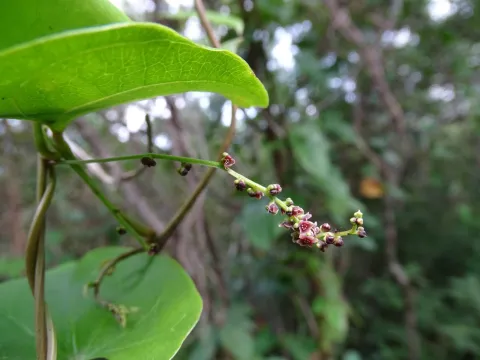
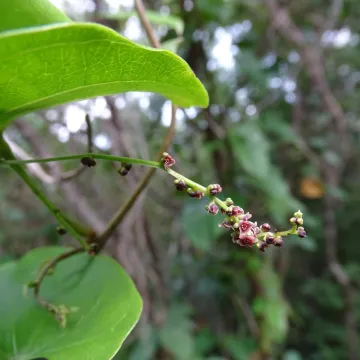
Botanically, the plant is characterized by a vigorous vine system and fleshy, starchy tubers that serve as storage organs. The leaves are typically heart-shaped, and the plant produces small, inconspicuous flowers in clusters. The root system is the economically vital part of the plant, developing significantly over several years.
Agricultural requirements for this crop focus on warm tropical climates and well-drained, fertile soil. It is highly sensitive to waterlogging, which necessitates raised beds or efficient drainage systems. Proper management includes providing trellises or supports for the vines, which is critical for maximizing photosynthesis and ensuring the health of the plant.
The primary use of Dioscorea floribunda is in the pharmaceutical industry for the extraction of diosgenin, a precursor for synthesizing corticosteroids and hormonal medications. Growers must manage several challenges, including:
- Root rot pathogens often found in overly compacted or wet soils.
- Nematode infestations that impact tuber quality and total biomass.
- Leaf-eating pests that can weaken the vine and reduce yield if left unchecked.
Photo gallery