Japanese yam
Dioscorea nipponica
Description
Japanese yam (Dioscorea nipponica) is a perennial herbaceous vine belonging to the Dioscoreaceae family. It is a commercially significant medicinal plant, highly valued for the presence of steroidal saponins in its rhizomes, which are essential precursors for the chemical synthesis of various hormonal and anti-inflammatory medications.
The native range of this species spans across East Asia, including regions of Japan, China, Korea, and the Russian Far East. As a forest-dwelling species, it has evolved to thrive in temperate climates, typically occupying woodland edges and areas where it can climb trees and shrubs to access sunlight, showcasing a robust biological adaptability.
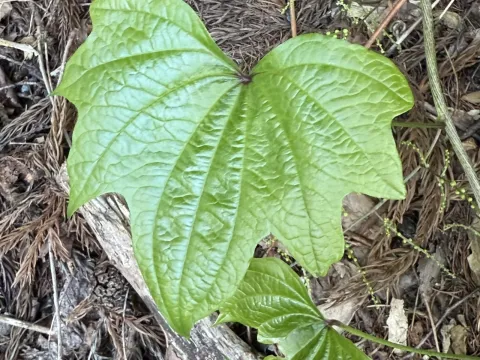
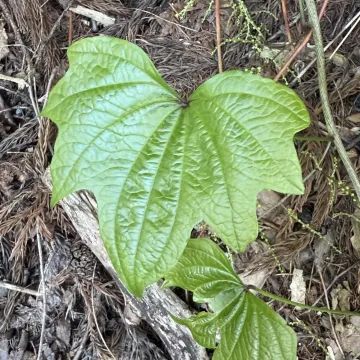
Botanically, Dioscorea nipponica is characterized by its significant, branching rhizomes that store nutrients for the plant's survival. The plant features heart-shaped leaves and twining stems that can grow several meters long in a single season. The reproductive cycle involves the production of winged seeds contained within capsules, facilitating natural dispersal in wild habitats.
Cultivation of this crop requires well-drained, nutrient-rich soils with a slightly acidic to neutral pH. Agricultural success largely depends on the use of vertical supports or trellis systems, as these structures promote healthier root development and easier harvesting. Consistent moisture levels are crucial, though waterlogging must be avoided to prevent root rot and other physiological stressors.
The primary economic focus for this crop is the pharmaceutical harvest of its rhizomes. When managing a plantation, producers must be vigilant regarding potential phytosanitary threats. Common issues include fungal infections during humid conditions and damage from soil-borne pests or larvae. Integrated pest management and proper crop rotation are essential practices to ensure high-quality yields in commercial agricultural operations.
Photo gallery