
Dioscorea oppositifolia
Dioscorea oppositifolia
Description
Dioscorea oppositifolia, widely known as the Chinese yam, is a perennial herbaceous vine belonging to the Dioscoreaceae family. This crop is primarily cultivated for its edible and medicinal tubers, which are highly regarded for their nutritional density and unique phytochemical composition.
The species originated in China and is traditionally cultivated across East and Southeast Asia. Its natural habitat includes mountainous regions and river valleys, but it has been domesticated to thrive in various subtropical and temperate climates where the growing season is sufficiently long to allow tuber maturation.
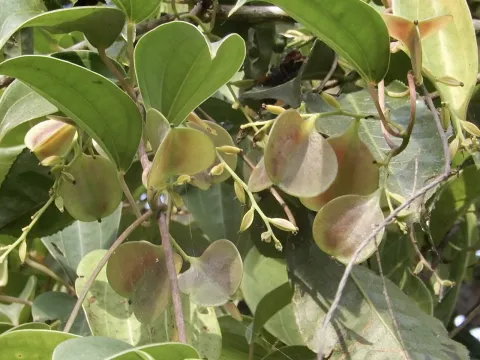
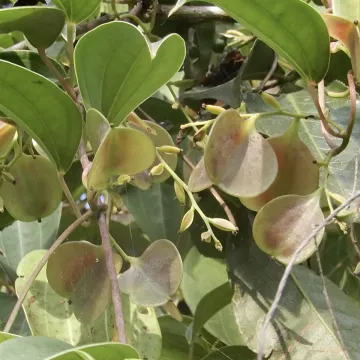
Botanically, the plant is characterized by its twining stems that require structural support to reach maximum leaf area. The leaves are typically opposite, giving the plant its specific epithet. The most economically significant part is the underground tuber, which can grow to be quite long and fleshy, often serving as a storage organ for carbohydrates and minerals.
Optimal growth requires deep, well-draining, and loose soil to accommodate the vertical growth of the tubers. The crop demands full sun exposure and consistent moisture levels. Agronomically, the installation of trellis systems is non-negotiable for commercial production, as it facilitates proper air circulation and maximizes the photosynthetic efficiency of the vine.
The crop is utilized in both the culinary arts and the pharmaceutical industry due to the presence of diosgenin. Regarding health, standard agricultural practices involve constant monitoring for fungal pathogens such as anthracnose and soil-borne pests like root-knot nematodes. Crop rotation is essential to maintain soil health and prevent the buildup of soil-borne diseases.
Photo gallery