Dioscorea polygonoides
Dioscorea polygonoides
Description
Dioscorea polygonoides is a perennial climbing plant belonging to the Dioscoreaceae family. Known for its ability to produce substantial starch-rich tubers, it is recognized as a vital root crop in specific tropical regions, where it serves as a supplement to traditional dietary staples.
The plant is native to the tropical zones of Central and South America and the Caribbean islands. Its natural range is characterized by high humidity and consistent warmth, which are essential for the plant to complete its life cycle and maximize the yield of its edible underground storage organs.
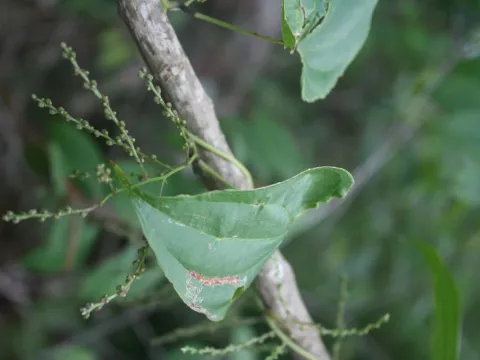
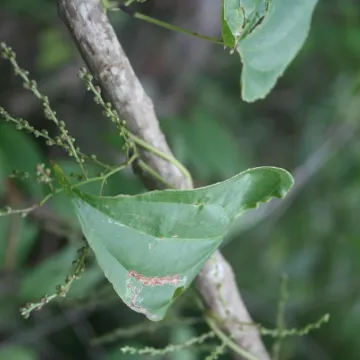
Botanically, this species is defined by its vigorous climbing habit, thin twining stems, and distinct heart-shaped foliage. The root system consists of tuberous growths that accumulate starch reserves during the active growth phase. These tubers are the primary agricultural product and exhibit a structure typical of edible yams.
Effective cultivation requires loose, well-drained soil rich in organic matter. Because the plant is a climber, growers must provide trellis systems or natural supports to ensure proper airflow and light exposure. Maintaining soil moisture is critical; however, practitioners must avoid waterlogged conditions to prevent tuber decay and ensure healthy development.
Economically, the crop is valued for its nutritional profile. While robust, Dioscorea polygonoides faces challenges from various agricultural threats. Common issues include soil-borne pathogens and pests such as beetles or nematodes that can compromise the root quality. Implementing strict field sanitation and rotating crops remain the best practices for minimizing these biological risks.
Photo gallery