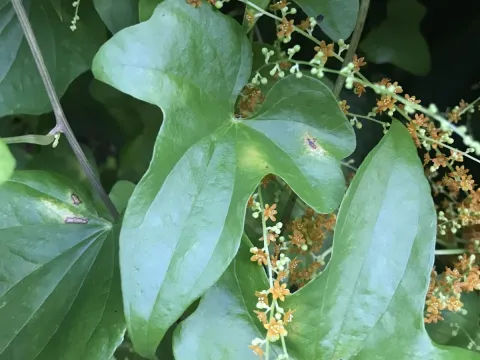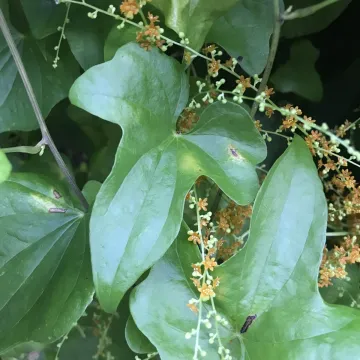
Five-lobed yam
Dioscorea quinquelobata
Description
Dioscorea quinquelobata, commonly known as the five-lobed yam, is a perennial herbaceous vine belonging to the family Dioscoreaceae. As a cultivated crop, it is primarily valued for its specialized tuberous roots, which act as a reservoir for bioactive compounds, particularly saponins used in pharmaceutical applications.
Native to East Asia, including Japan and parts of China, the species typically thrives in moist, temperate forest environments. In agricultural settings, it is grown in climates that mimic these conditions, requiring a balance of ambient moisture and protection from extreme temperature fluctuations. The range of cultivation is specialized, often limited to regions where high-value medicinal crop production is feasible.
Botanically, the plant features vigorous climbing stems that require support systems for optimal photosynthesis and growth. The leaves are distinctive, characterized by five lobes, which give the species its common name. The underground portion develops into a fleshy tuber, which stores energy and secondary metabolites, serving as the economically significant harvestable part of the plant.
Successful production of Dioscorea quinquelobata depends on fertile, well-drained soil with a slightly acidic to neutral pH. Agricultural management practices emphasize the need for organic matter incorporation to ensure soil porosity. Regular irrigation is critical during the peak growing season, though growers must carefully manage drainage to prevent root rot, which is the most common physiological disorder in this crop.
- Providing robust vertical trellising for climbing stems.
- Maintaining soil moisture through consistent irrigation and mulching.
- Applying light, balanced fertilization to support tuber development.
- Implementing integrated pest management to control aphids and mites.
Regarding хозяйственное use, the crop is largely processed to extract diosgenin, a precursor for steroid hormone synthesis. The plant faces risks from fungal pathogens, especially in high-humidity conditions, which necessitates good air circulation around the canopy. Vigilant monitoring for leaf-eating insects and soil-borne pathogens remains a fundamental part of the professional cultivation protocol.
Photo gallery