Dioscorea rogersii
Dioscorea rogersii
Description
Dioscorea rogersii is a fascinating perennial climbing plant belonging to the Dioscoreaceae family. It is recognized for its unique tuberous structure, which allows the plant to thrive in regions with distinct wet and dry seasonal patterns, making it a specialized subject for botanical research and cultivation.
Native to parts of Africa, this species primarily occupies regions with rocky soils and well-drained slopes. These environments have shaped the plant's physiological adaptations, specifically the development of a large, energy-storing tuber that can sustain the plant through extended periods of drought when above-ground stems go dormant.
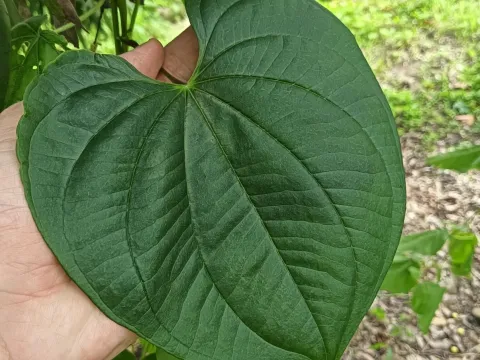
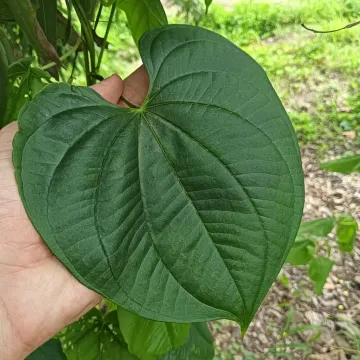
Botanically, Dioscorea rogersii is characterized by thin, vigorous vines that require support structures such as trellises or poles to grow properly. The foliage is typically heart-shaped or sagittate. The root system, or tuber, is the most crucial part of the plant, often growing quite large depending on the age of the specimen and soil quality.
Regarding agrotechnical requirements, the plant demands excellent drainage to prevent tuber rot. A soil mix containing significant amounts of grit or perlite is highly recommended. Light requirements are high; it prefers bright, indirect or dappled sunlight. Irrigation must be careful: the soil should dry out significantly between watering sessions during the growing season and be kept almost dry during the dormant phase.
Economic and research utility revolves around the species' biochemical profile, as many yams contain saponins and other secondary metabolites. Pests such as spider mites and mealybugs can affect the plant in greenhouse conditions, while root rot remains the primary threat. Preventive fungicide applications and maintaining proper ventilation are essential strategies for a healthy crop.
- Emphasis on a well-draining, porous growing medium.
- Regular inspection for signs of fungal infection on tubers.
- Strategic pruning to manage vining growth.
- Providing a distinct rest period to ensure long-term vigor.
Photo gallery