
Diplophyllum albicans
Diplophyllum albicans
Description
Diplophyllum albicans is a notable species of liverwort belonging to the Scapaniaceae family. As a non-vascular plant, it plays a vital role in forest ecosystems by colonizing moist substrates such as humus-rich soil, damp rocks, and rotting logs, contributing to micro-habitat diversity.
The species exhibits a wide distribution across the temperate regions of the Northern Hemisphere, including extensive ranges in Europe and North America. It thrives in humid, shaded environments where competition from larger vascular plants is minimal and moisture levels remain consistently high throughout the year.
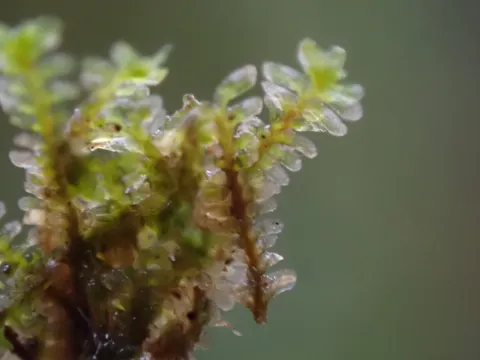
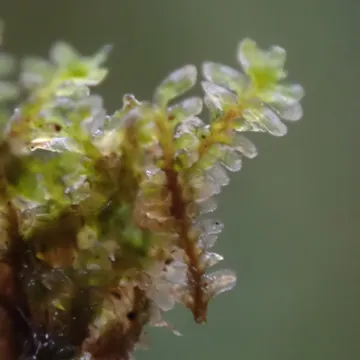
Botanically, it is identified by its distinctively lobed leaves, where the dorsal lobe is significantly smaller than the ventral one. A characteristic pale keel runs along the leaf surface, which provides the species with its name and serves as a reliable field identification trait for bryologists and researchers.
Regarding its environmental requirements, the plant demands high atmospheric humidity and acidic soil conditions. Effective maintenance in controlled settings requires careful monitoring of light exposure, as Diplophyllum albicans is highly susceptible to desiccation and direct solar radiation, preferring protected, stable micro-climates.
While not a commercial agricultural crop, this liverwort is of increasing interest in ecological restoration and the design of temperate terrariums. The primary threats to its survival include deforestation, drainage of wetlands, and air pollution, as it acts as a bio-indicator for healthy forest air quality and balanced hydrological cycles.
Photo gallery