Diplopterygium glaucum
Diplopterygium glaucum
Description
Diplopterygium glaucum is a perennial fern belonging to the Gleicheniaceae family. It is recognized for its unique, complex branching patterns and distinct glaucous appearance, which gives the plant its name. This species is highly regarded among botanical enthusiasts for its structural elegance and evolutionary significance as a representative of ancient fern lineages.
The plant originates from the mountainous regions of East Asia, primarily thriving in the moist, forested slopes of Japan, China, and Taiwan. In its natural habitat, it creates dense, sprawling colonies in areas characterized by high humidity and consistent cloud cover, which protect the fronds from desiccation and direct solar exposure.
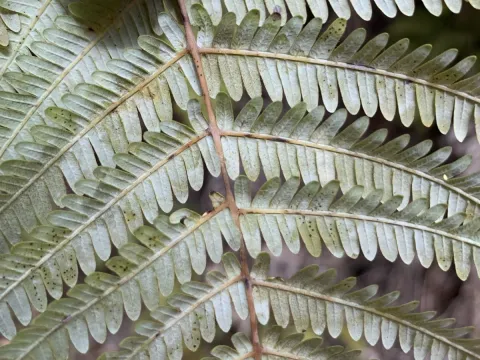
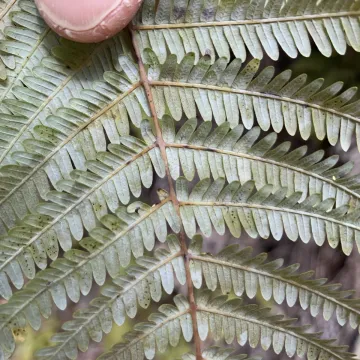
Botanically, Diplopterygium glaucum is defined by its creeping rhizomes and dichotomously branched fronds that can extend significantly. The undersides of the leaflets are often covered in a characteristic whitish-blue (glaucous) bloom, which is a key identifying feature. These fronds are resilient, offering a leathery texture that allows the plant to persist in high-humidity environments.
Cultivation of this fern requires precise environmental management. It demands acidic, well-draining soil mixes, typically rich in organic matter like peat or leaf mold. The most critical factor in its maintenance is ensuring constant ambient humidity; a dry atmosphere is detrimental to the plant's health and will quickly lead to frond browning and stunted growth.
- Temperature: 18°C to 24°C
- Relative Humidity: Above 70%
- Light: Bright, indirect light or filtered shade
- Drainage: Essential to prevent root rot
In terms of agricultural and horticultural utility, Diplopterygium glaucum is primarily used as an ornamental specimen in botanical gardens, conservatories, and specialized private collections. Its unusual, architectural growth form makes it an excellent focal point in tropical-style landscape designs where humidity levels can be strictly controlled.
Common pests include spider mites and scale insects, which favor the dense structure of the fronds. Diseases are predominantly fungal in nature, usually caused by overwatering or poor air circulation. Effective crop management requires consistent monitoring, proper hygiene, and the use of preventative systemic treatments to maintain the vigor of this sensitive fern species.
Photo gallery