Small-teasel
Dipsacus pilosus
Description
Small-teasel (Latin: Dipsacus pilosus) is a biennial herbaceous plant belonging to the Caprifoliaceae family. It is a distinctive species known for its unique globe-shaped flower heads and bristly foliage. While it is not a primary food crop, it holds significant interest for conservationists, beekeepers, and ornamental garden enthusiasts.
The native range of the species spans across Europe and parts of Western Asia. It typically thrives in moist, shaded environments such as riverbanks, woodland edges, and damp meadows. The plant's ability to adapt to varying light conditions makes it a resilient species in natural ecosystems and an interesting subject for botanical study.
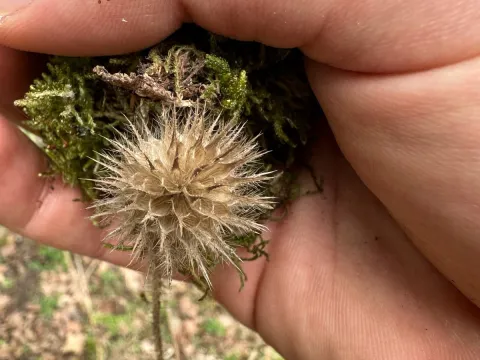
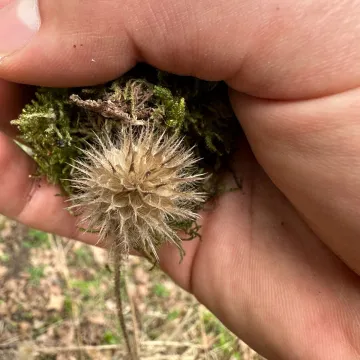
Botanically, the plant features a robust stem that can grow up to 150 centimeters tall. Its leaves are noticeably hairy and serrated, which gives the plant its scientific name. After the flowering phase, which produces small, attractive white blossoms, the inflorescence matures into a spherical seed head covered in stiff, spine-like structures.
In terms of agricultural requirements, the small-teasel prefers rich, moist soils with good drainage. It is generally hardy, though it requires consistent moisture during the establishment phase. Proper agronomic management includes weeding in the first year to prevent competition and ensuring the soil does not become excessively dry during peak summer months.
The plant has several хозяйственные (economic) uses:
- As an ornamental plant used for dried flower arrangements.
- As a significant source of nectar for pollinators, including bees and butterflies.
- In traditional herbalism, where specific extracts are used in various preparations.
Photo gallery