Dipteracanthus prostratus
Dipteracanthus prostratus
Description
Dipteracanthus prostratus is a perennial herbaceous plant belonging to the Acanthaceae family. Often referred to by its synonym Ruellia prostrata, this species is noted for its prostrate growth habit, which allows it to sprawl across the ground effectively. As an agricultural or botanical subject, it is recognized for its structural resilience and adaptability to tropical climates.
The plant originates from the tropical regions of Asia, specifically across the Indian subcontinent. It thrives in warm, humid environments, making it suitable for cultivation in tropical latitudes where frost does not occur. Its range of cultivation has expanded in botanical gardens and experimental farms that focus on preserving and studying diverse Acanthaceae species.
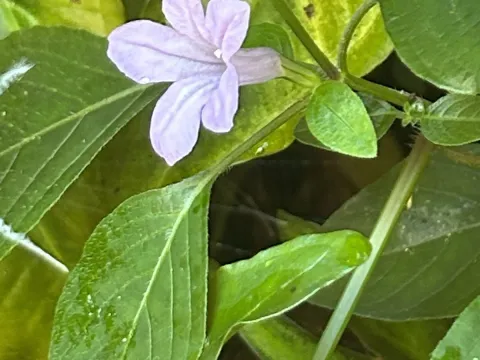
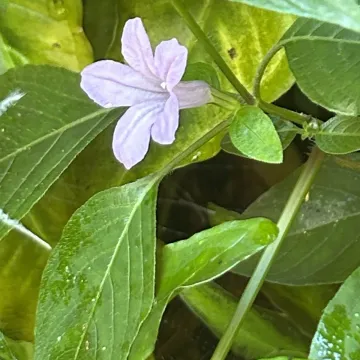
Botanically, Dipteracanthus prostratus features opposite, ovate leaves and distinctive funnel-shaped flowers, typically displaying shades of blue or purple. The stems are capable of rooting at the nodes, a feature that contributes to its success as a ground-covering plant. The seeds are enclosed in capsules that provide an efficient mechanism for dispersal within suitable environments.
The agronomic requirements for this crop involve well-draining, nutrient-rich soil with a neutral pH level. It necessitates consistent moisture levels but requires careful management of irrigation to prevent root rot, which is a common physiological response to saturated conditions. Strategic cultivation involves providing moderate shade or full sun, depending on the intensity of the regional thermal conditions.
The primary agricultural and economic uses include the extraction of phytochemicals for medicinal purposes and its deployment in ornamental landscaping. Growers should monitor for common pests such as aphids and spider mites, which can impede vegetative growth. Disease management is focused on maintaining proper airflow and avoiding waterlogging, which helps prevent the development of harmful soil-borne pathogens.
- Vegetative propagation via stem cuttings is highly efficient.
- Capable of adapting to diverse light intensity profiles.
- Valued for its soil-stabilizing properties in tropical horticulture.
Photo gallery