Diptychocarpus strictus
Diptychocarpus strictus
Description
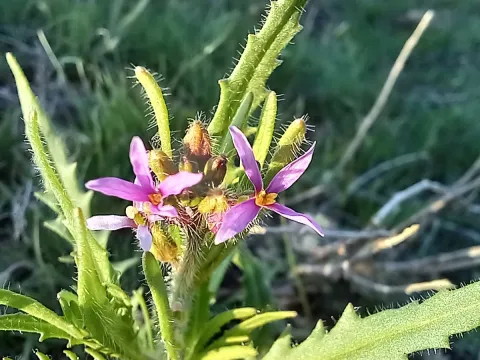
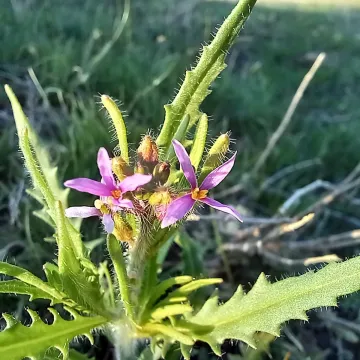
Diptychocarpus strictus is an annual herbaceous plant belonging to the Brassicaceae family. Known in some regions for its resilience, it is recognized as a distinctive member of the mustard family, often appearing in dryland agricultural ecosystems and arid rangelands.
The plant originates from the arid regions of Central Asia, Iran, and the Caucasus. It is naturally adapted to survive in harsh environmental conditions, including sandy and saline soils, where few other plant species can successfully establish and complete their lifecycle.
Botanically, it features a characteristic upright stem and elongated leaves. Its fruit is a unique silique that splits easily at maturity, a mechanism that facilitates seed dispersal across wide areas. The plant has evolved to prioritize rapid growth during the short wet spring season in its native habitat.
Regarding cultivation requirements, Diptychocarpus strictus thrives in sunny locations with well-drained soil. It is highly drought-tolerant, requiring minimal irrigation. Standard agricultural practices for managing Brassicaceae, such as controlling crucifer-specific pests, are essential if the plant is grown in managed settings.
The primary economic use is as a component of natural forage for livestock in semi-arid regions. Furthermore, agricultural research focuses on its potential as a genetic resource, as its extreme drought tolerance and salinity resistance are valuable traits for modern crop improvement programs.
Photo gallery