Dischisma ciliatum
Dischisma ciliatum
Description
Dischisma ciliatum is a herbaceous plant species belonging to the Scrophulariaceae family. Known for its distinct morphological characteristics, this plant has adapted to survive in challenging, arid environments, making it a subject of interest for specialized botanical studies and regional plant collections.
The native distribution area of this species is primarily centered in Southern Africa, specifically in the Cape region. It thrives in habitats characterized by Mediterranean-like climatic conditions, where it is exposed to distinct winter rainfall and prolonged periods of summer drought, shaping its growth patterns accordingly.
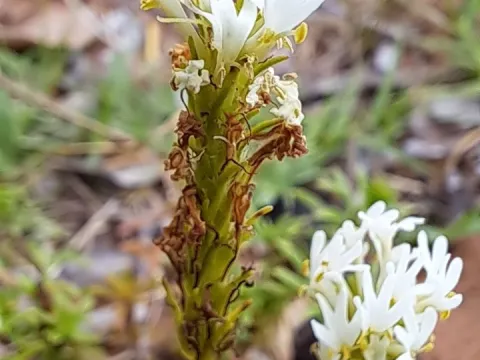
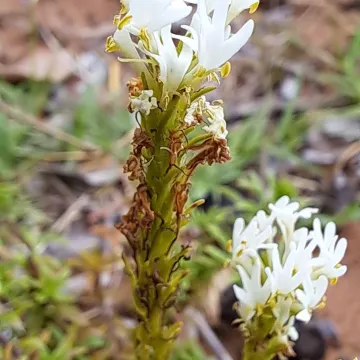
Botanical features are defined by its characteristic narrow, ciliate-edged leaves, which provide the basis for its specific epithet. The inflorescence consists of dense, spike-like racemes featuring small flowers with distinct bracts. The overall structure is robust, enabling the plant to withstand harsh winds and intense UV radiation typical of its natural habitat.
Agricultural and horticultural requirements necessitate well-draining soil, ideally sandy or gritty, to prevent root rot. Dischisma ciliatum requires full sun exposure and minimal irrigation during the summer dormancy phase. Proper aeration is essential, as the species is highly sensitive to high humidity and waterlogged conditions, which inhibit its natural growth cycle.
In terms of economic and practical use, the plant is valued for its potential in xeriscaping and sustainable garden design in dry climates. Diseases and pests are rare in the wild, though in greenhouse environments, susceptibility to aphids or powdery mildew may increase if ventilation is poor. Maintenance revolves around mimicking its native ecosystem to ensure long-term plant health.
Photo gallery