Long-leaved Disporopsis
Disporopsis longifolia Craib
Description
Disporopsis longifolia Craib is a perennial herbaceous plant belonging to the Asparagaceae family. This unique species is often prized by enthusiasts for its structural beauty and resemblance to Solomon's Seal (Polygonatum). Botanically, it is classified as a rhizomatous geophyte, capable of thriving in temperate to subtropical woodland environments where canopy cover is consistently maintained.
Native to the mountain regions of Southeast Asia, including Southern China and Vietnam, Disporopsis longifolia naturally occurs in humid, shaded forest habitats. Its native range suggests a requirement for cool, moist conditions with minimal fluctuations in temperature. In agricultural or horticultural settings, the plant is typically grown in specialized shade gardens that mimic its natural microclimate.
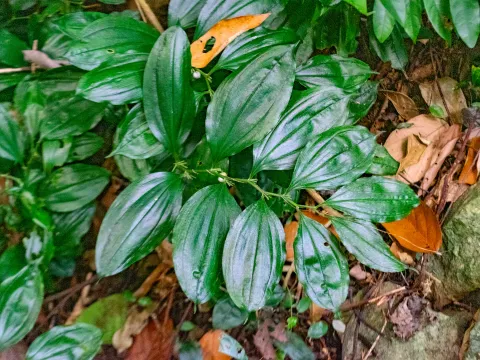
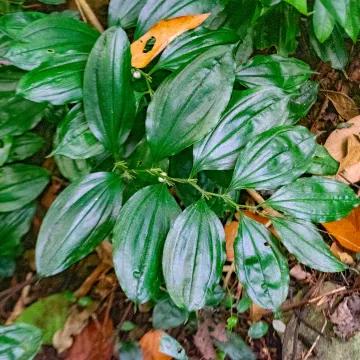
Botanical features include distinct, long lanceolate leaves that have a leathery texture, attached to arching or erect stems. The flowers are typically white to greenish-white, bell-shaped, and emerge from the leaf axils. The plant spreads via a fleshy, creeping rhizome that requires sufficient organic matter in the soil to flourish. Its growth cycle is strictly dictated by seasonal moisture availability.
Agrotechnical requirements prioritize soil composition and light exposure. Successful cultivation depends on well-draining, humus-rich soil that holds consistent moisture without becoming waterlogged. Growers should aim for light shade to partial shade conditions. During the growing season, consistent moisture is vital, while winter dormancy requires protection from deep freezing temperatures to preserve the rhizome integrity.
The economic and practical utility of this culture spans ornamental garden design and academic studies in ethnobotany. While not a large-scale industrial crop, its potential in specialized landscapes is significant. Management of the plant requires attention to common threats, which include the following challenges:
- Root rot pathogens triggered by poor soil aeration or excess watering.
- Leaf-eating beetles that may occasionally target the foliage in humid conditions.
- Environmental stress caused by excessive direct sunlight exposure.
- Susceptibility to fungal spotting during periods of high humidity and poor airflow.
Photo gallery