Saltgrass
Distichlis stricta
Description
Saltgrass (Distichlis stricta) is a perennial grass species belonging to the Poaceae family. It is recognized in agronomy as one of the most robust halophytes—plants that thrive in soil or water with high concentrations of salt, making it an invaluable resource for agricultural reclamation in challenging environments where conventional crops fail.
Native to North America, this species has evolved to inhabit alkaline, saline, and arid wetlands. Its natural range demonstrates its adaptability, from coastal zones to high-desert salt flats. As a rhizomatous grass, it creates a dense network of roots, which is crucial for stabilizing soils that are often hostile to other vegetation types.
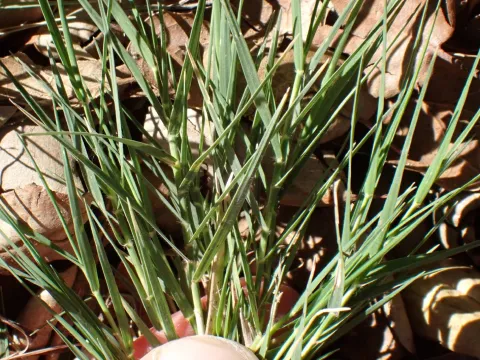
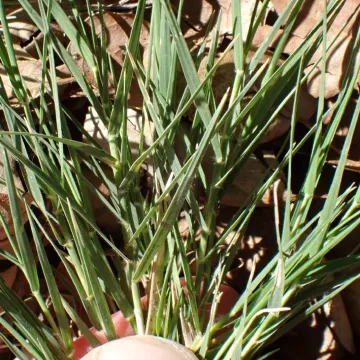
Botanically, saltgrass is dioecious, meaning it has separate male and female plants. The foliage is characterized by stiff, narrow leaves and a creeping growth habit. The extensive underground rhizome system acts as a storage organ, allowing the plant to remain dormant during harsh conditions and regenerate rapidly when environmental factors improve.
Cultivation requirements for this crop are relatively low compared to traditional grasses. It favors full sun exposure and is highly tolerant of poor soil structure and high salinity levels. While it does not require significant fertilization, initial site preparation and moisture management are key to establishing a uniform, productive stand of the grass in the first growing season.
The primary agricultural applications of saltgrass include:
- Reclamation of saline or sodic agricultural lands unsuitable for traditional crops.
- Utilization as a forage crop in high-salinity range management.
- Erosion control on embankments, ditches, and disturbed industrial sites.
- Phytoremediation efforts to manage soil quality in degraded regions.
Regarding pest and disease management, saltgrass exhibits a high degree of natural resistance. Because of its tough, silica-rich foliage, it is largely unappealing to common leaf-eating insects. While minor outbreaks of fungal rusts can occur in stagnant, overly humid conditions, the plant's natural hardiness typically allows it to outcompete pathogens without the need for extensive chemical pesticide application.
Photo gallery