Ditrichum gracile
Ditrichum gracile
Description
Ditrichum gracile is a species of moss within the Ditrichaceae family. While not classified as a commercial agricultural crop, it plays an essential ecological role as a component of the bryophyte layer in forest ecosystems, providing ground cover and moisture retention for various microorganisms.
The geographic distribution of this species spans the temperate regions of the Northern Hemisphere. It is typically found in shaded forest areas, along mountain trails, and on moist, nutrient-rich soils. Its presence is indicative of stable environmental conditions and high humidity levels throughout the growing season.
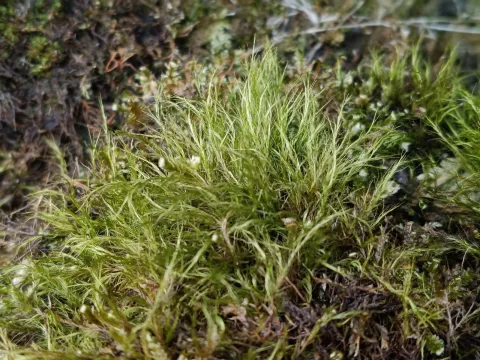
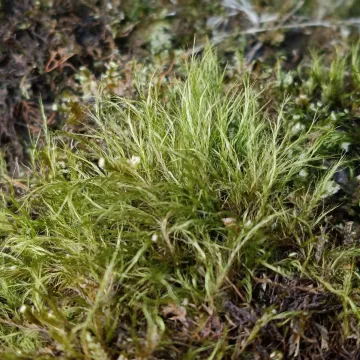
Botanically, Ditrichum gracile forms dense, yellow-green cushions that characterize its appearance in nature. The stems are slender and erect, bearing awl-shaped leaves that are structurally adapted to capture moisture from fog and rain. These features allow the moss to thrive in habitats where direct sunlight is limited.
The environmental requirements for this species are strict, particularly concerning humidity and air purity. It does not require conventional fertilization; however, it is highly sensitive to chemical pollutants. In conservation biology, it serves as a valuable tool for assessing the health of forest soils and tracking air quality changes over time.
Potential uses for this species are limited to specialized ecological landscaping and research into bio-indication. It is highly resilient against common plant pests and pathogens, primarily due to the unique secondary metabolites produced within its tissues, which provide natural protection against fungal and bacterial colonization.
Photo gallery