Ditrichum heteromallum
Ditrichum heteromallum
Description
Ditrichum heteromallum is a moss species within the family Ditrichaceae. Although it is not a conventional agricultural crop, it is an essential component of forest ecosystems and is highly regarded in conservation biology for its role in soil stabilization and pioneer succession on barren lands.
The species is widely distributed across temperate regions of the Northern Hemisphere. It thrives in diverse environments, including forest paths, embankments, and exposed mineral soils. Its ability to colonize nutrient-poor and acidic substrates makes it a critical species for establishing initial vegetation cover in areas disturbed by human activity or natural events.
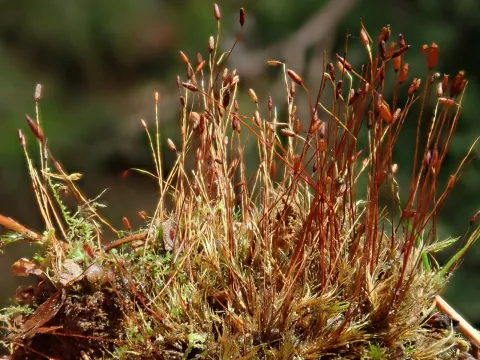
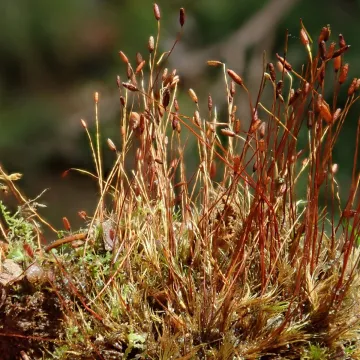
Botanically, this moss forms dense, compact turfs that are typically bright green. The stems are short, and the leaves are linear-lanceolate, often curving to one side, which provides the species with its characteristic appearance. During the reproductive phase, the moss produces sporophytes on elongated setae, ensuring wide dispersal of spores through air currents.
Cultivation requirements for this species focus primarily on maintaining a stable microclimate. Unlike field crops, it does not require plowing or synthetic fertilization. It performs best in partially shaded locations with high atmospheric humidity and acidic, well-drained soil. Over-fertilization should be strictly avoided, as it can inhibit growth and promote the development of competing weeds.
Primary areas of usage include:
- Ecological restoration of eroded slopes and forest edges.
- Landscape design in specialized shade-loving moss gardens.
- Scientific monitoring of environmental health and air quality indicators.
The species is generally resistant to typical agricultural pests, though it may be affected by extreme desiccation or contamination. It faces few biological threats other than displacement by more vigorous colonizing plants. Success in management relies on mimicking its natural niche, which focuses on moisture retention and maintaining soil acidity levels.
Photo gallery