Dodartia orientalis
Dodartia orientalis
Description
Dodartia orientalis is a perennial herbaceous plant belonging to the Scrophulariaceae family. It is the sole member of the Dodartia genus, representing a distinct botanical entity adapted to harsh ecological conditions found in arid and semi-arid environments.
The native range of this species extends across Eurasia, including regions in Eastern Europe, the Caucasus, Central Asia, Siberia, Mongolia, and China. It is commonly found in salt marshes, saline soils, dry steppes, and rocky outcrops, which highlights its remarkable ability to thrive in soil types where other crops would struggle to survive.
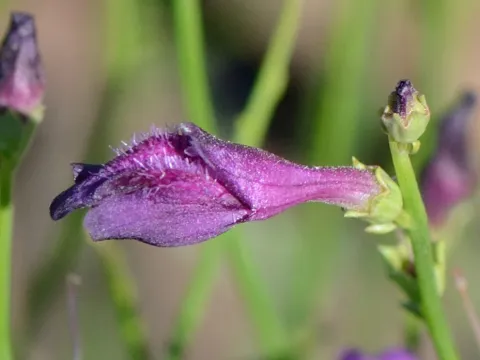
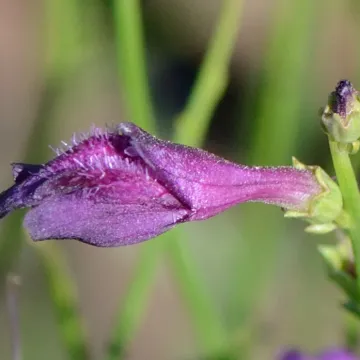
Botanically, the plant features a glabrous, heavily branched stem reaching heights between 10 to 40 centimeters. The leaves are typically alternate and simple, while the flowers are distinctively bilabiate (two-lipped) with a vibrant purple or pinkish hue, emerging from the axils of the upper leaves throughout the flowering season.
Agricultural requirements for Dodartia orientalis focus on providing high exposure to sunlight and superior soil drainage. The plant is drought-tolerant and does not respond well to waterlogging, making sandy or loamy soils ideal for its development. Minimal fertilization is required as the plant is evolved to extract nutrients from naturally nutrient-poor, saline environments.
Potential uses for this crop range from its application in traditional medicine to its integration into xeriscaping or dry-land landscaping projects. While it is not a common commercial crop, it remains a subject of botanical interest for its chemical composition and resilience. Potential pests and diseases are generally minimal, though root rot can occur if soil drainage is compromised.
Photo gallery