Leucothoe fontanesiana
Leucothoe fontanesiana (Steud.) Sleumer
Description
Leucothoe fontanesiana, commonly known as doghobble or mountain doghobble, is a notable evergreen shrub belonging to the Ericaceae family. It is widely recognized for its arching stems and glossy, lance-shaped leaves that offer year-round interest, often displaying brilliant red or bronze colors during the winter months.
This species is native to the southeastern regions of the United States. Due to its adaptability to shaded environments, it has become a staple in horticultural practices worldwide, serving as an excellent groundcover or a structural element in woodland-style gardens and foundational plantings.
Success with this crop requires specific environmental conditions, primarily acidic, moisture-retentive, yet well-draining soil. It thrives in locations that are protected from harsh midday sun and strong, drying winds, which can easily damage the delicate foliage and cause premature leaf drop.
Management practices for Leucothoe include consistent watering with non-alkaline water and the application of specialized fertilizers formulated for ericaceous plants. Mulching is essential to keep the root zone cool, preserve soil moisture, and suppress weeds, while also maintaining the necessary acidic pH levels.
- Prefers partial to full shade conditions.
- Requires consistent moisture but dislikes waterlogged soil.
- Benefits from annual organic mulching with pine needles or bark.
- Needs protection from severe winter frost in colder zones.
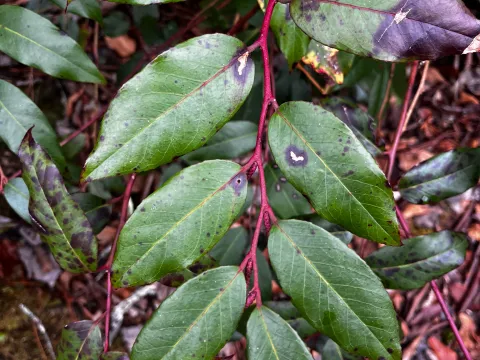
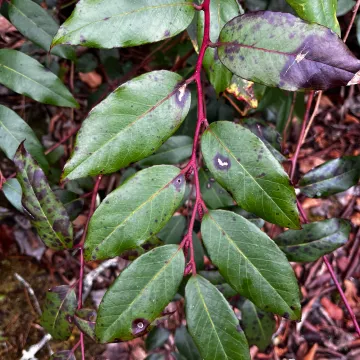
Regarding health management, Leucothoe is susceptible to leaf spot diseases, particularly in humid or stagnant conditions. Regular inspection for pests such as scale insects or spider mites is recommended, ensuring that any infestations are addressed promptly with appropriate horticultural oils or systemic treatments.
Photo gallery