Doliocarpus dentatus
Doliocarpus dentatus
Description
Doliocarpus dentatus is a perennial woody climber belonging to the family Dilleniaceae. In its natural habitat, the plant is known for its ability to rapidly increase vegetative biomass, using trees as support to reach sunlight within the dense canopy of tropical forests.
The plant is native to the tropical regions of Central and South America. Its range extends from Costa Rica to the Amazon basin. In cultivation, this species is primarily found in specialized botanical collections, as it requires the specific humid and hot climate characteristic of the equatorial zone to thrive.
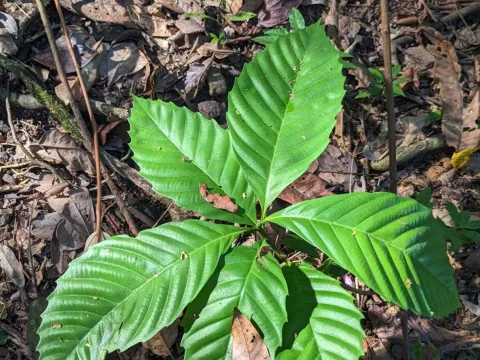
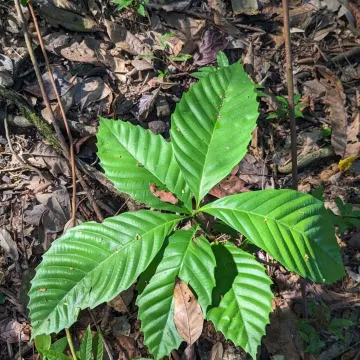
Botanically, the plant is a robust vine with a woody stem and simple, leathery leaves characterized by a serrated edge, which is reflected in its species name. Its flowers are typically small, arranged in clusters, and display white or cream hues. The fruits are small berries or capsules that serve as a food source for local bird species.
For successful growth, Doliocarpus requires fertile, well-drained soils rich in organic matter. The plant is highly sensitive to humidity levels, which must remain consistently high throughout the year. Cultivation practices in tropical environments focus on providing sturdy support structures and performing periodic pruning to manage vine development.
- High sensitivity to sudden temperature fluctuations.
- Requirement for bright, diffused sunlight.
- Need for protection from strong direct winds.
- Consistent irrigation to prevent waterlogging at the roots.
The economic utility of the species is limited due to its wild-growing status. Indigenous populations sometimes utilize the durable stems of the vine as a natural material for weaving. Scientific research is currently exploring the bioactive compounds found within the plant's tissues for potential pharmacological applications.
Photo gallery