Donella lanceolata
Donella lanceolata
Description
Donella lanceolata is a perennial evergreen tree species belonging to the Sapotaceae family. As a significant tropical plant, it is recognized for its unique botanical structure and its role in the ecosystem of tropical rainforests. It is closely related to various other fruit-bearing trees within the Sapotaceae order.
The native distribution of this species spans across the humid tropical zones of Africa. It thrives in regions characterized by high annual rainfall and consistent temperatures throughout the year. The species is well-adapted to the competition for light in dense forest environments, often reaching substantial heights as it matures.
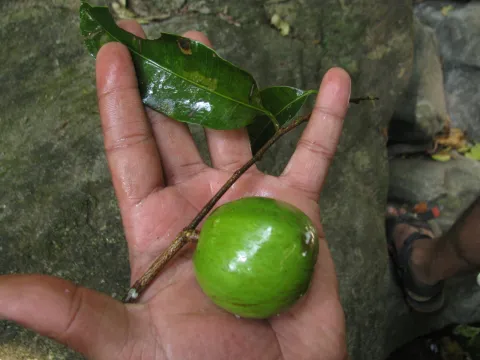
Its botanical profile features distinct lanceolate leaves that are tough and leathery, an adaptation to manage water retention and transpiration in hot climates. The flowers are generally small and clustered, leading to the development of fleshy, nutrient-rich fruits. The plant structure is robust, supporting a dense canopy that provides shade and shelter for other flora.
Cultivation requires specific environmental conditions, including deep, well-draining soil rich in organic matter. Agricultural practices focus on maintaining consistent soil moisture and protecting young saplings from harsh, direct sunlight. Regular mulching is recommended to sustain soil health and mimic the forest floor environment.
The economic and agricultural utility of the plant primarily lies in its fruit production, which serves as a valuable resource. Typical pests and diseases include root fungal infections stemming from poor drainage and various sap-sucking insects. Integrated pest management strategies are often employed to ensure healthy tree development and maximize fruit yields.
Photo gallery