Doronicum clusii
Doronicum clusii
Description
Doronicum clusii is a perennial herbaceous plant belonging to the Asteraceae family. As a specialized alpine species, it is highly regarded for its adaptability to high-altitude environments, where it serves as a robust ornamental addition to rock gardens and cool-climate landscape designs.
The plant originates from the high mountain ranges of Europe, particularly the Alps and the Carpathians. In its natural habitat, it thrives in rocky crevices and subalpine meadows, where the climate is characterized by significant diurnal temperature fluctuations and cool, moist conditions during the growing season.
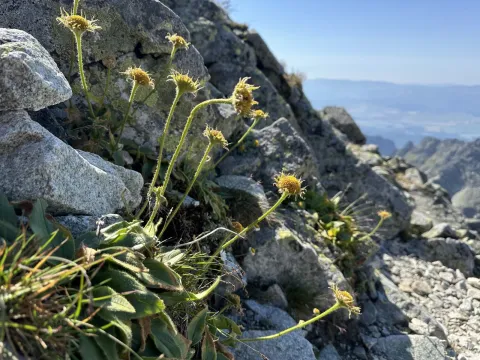
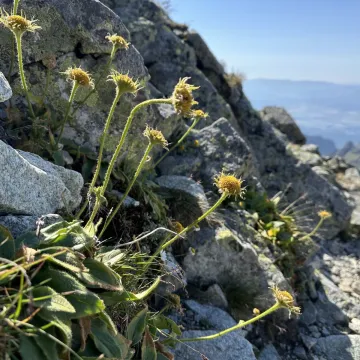
Botanically, it is distinguished by a basal rosette of leaves and solitary yellow daisy-like flower heads on upright stalks. The root system is rhizomatous, allowing the plant to spread slowly and form dense mats, which effectively suppress weeds and provide ground cover in suitable mountainous or garden settings.
Regarding cultivation requirements, Doronicum clusii demands well-drained, nutrient-rich soil with a neutral to slightly acidic pH. While the plant prefers sunny positions in cool climates, it benefits from partial shade in regions with intense summer heat to prevent the soil from drying out excessively, which can lead to rapid senescence.
The practical application of this crop is primarily ornamental. It is best suited for rock gardens, alpine troughs, and border fronts that mimic mountain meadow conditions. While it is generally resilient, growers should monitor for pests such as aphids and provide protection against root rot by ensuring excellent drainage and avoiding over-watering.
Photo gallery