
Doronicum columnae
Doronicum columnae
Description
Doronicum columnae is a herbaceous perennial belonging to the Asteraceae family. Known for its vibrant, daisy-like yellow flowers, this species is highly valued in horticulture for its ability to brighten up landscapes during the early spring season, often blooming before many other perennials.
The plant originates from the mountainous regions of Central and Southern Europe. Its native habitat includes rocky slopes and meadows, which has shaped its hardiness and preference for cooler environments. When cultivated in agricultural or garden settings, it requires conditions that mimic its natural alpine and subalpine climate.
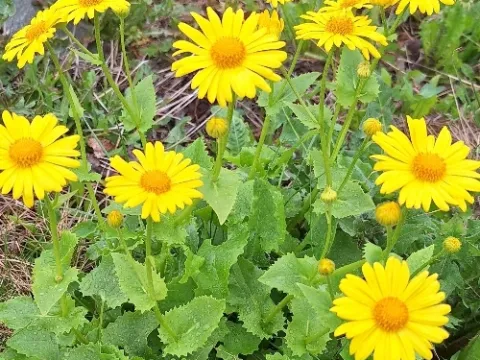
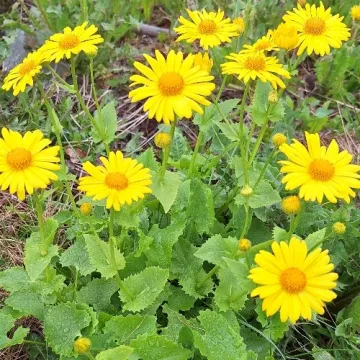
Botanically, the plant develops a rosette of lush green, dentate leaves, with upright flowering stems reaching up to 50 centimeters. The golden-yellow flower heads are prominent features that make the plant a staple in professional landscaping and commercial floral production for spring cut flowers.
To ensure optimal growth, the species requires soil that is moist but well-draining, enriched with organic matter. While it tolerates partial shade, it performs best in positions where it receives filtered light. Essential maintenance tasks include consistent moisture management, as the shallow root system is sensitive to prolonged drought.
- Regular moisture for root health
- Organic mulching for moisture retention
- Division of roots every three years
- Monitoring for aphids in spring
The main agricultural use for this plant is as an ornamental crop, suitable for borders, rock gardens, and cut flower fields. The plant is generally robust, but gardeners should be cautious of overwatering, which may lead to root rot. Pests like aphids are occasional challenges, manageable through integrated pest management strategies.
Photo gallery