
Leopard's bane
Doronicum pardalianches
Description
Leopard's bane (lat. Doronicum pardalianches) is a perennial herbaceous plant belonging to the Asteraceae family. Known for its early spring blooms, this species is often valued in ornamental horticulture for its ability to brighten up shaded areas of the garden where many other flowering plants struggle to thrive.
The plant originates from the deciduous forests of Western and Southern Europe. Its natural habitat is characterized by moist, fertile soils and partial shade provided by tree canopies. These ancestral traits make it an excellent choice for woodland gardens, where it can naturalize if given the right environmental conditions.
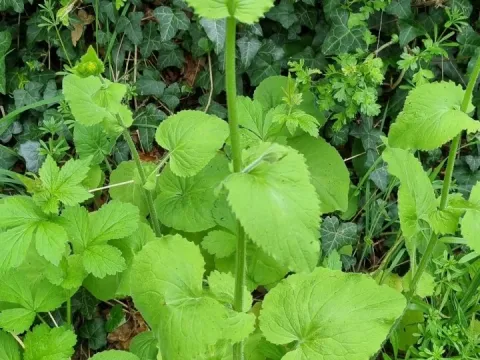
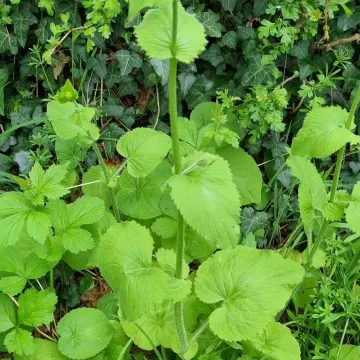
Botanically, Leopard's bane is defined by its rhizomatous root system and a basal rosette of heart-shaped leaves. Its stems can reach up to 80 cm in height, bearing characteristic yellow daisy-like flowers. The plant is considered toxic if ingested, a trait that typically discourages grazing by local wildlife, thus reducing the need for heavy fencing or pest protection.
Regarding agronomic requirements, the plant prefers loamy, moisture-retentive soils with neutral to slightly acidic pH levels. It is essential to ensure good soil aeration; while the plant loves moisture, stagnant water around the roots can lead to rot. Adding organic mulch, such as leaf mold, helps simulate the plant's natural forest floor environment.
Maintenance and protection are relatively straightforward. The primary pests include spider mites and slugs, which are common in damp, shady settings. For disease control, maintaining adequate spacing between plants to allow for airflow is the best strategy against fungal infections like powdery mildew. Regular division of the rhizomes every 3-4 years is recommended to keep the plants vigorous and prevent overcrowding.
Photo gallery