Doronicum plantagineum
Doronicum plantagineum
Description
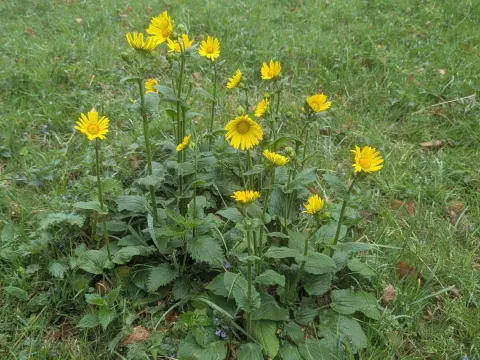
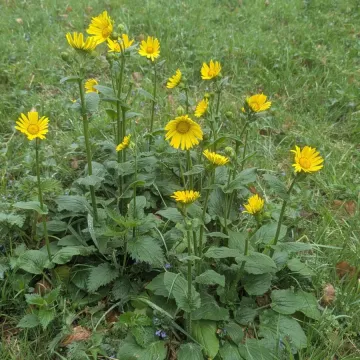
Doronicum plantagineum, commonly known as plantain-leaved leopard's bane, is a resilient herbaceous perennial belonging to the Asteraceae family. This species is highly valued for its ability to produce vibrant yellow daisy-like flowers early in the gardening season, often serving as a primary focal point in spring borders.
The plant originates from Southern and Western Europe, where it is found in woodland margins and mountain meadows. Its evolutionary history has made it well-adapted to cooler climates with sufficient soil moisture, making it an excellent candidate for temperate zone landscapes and commercial ornamental plant production.
Botanically, it is characterized by its distinct ovate basal leaves, which resemble those of a plantain, and sturdy stems that support large, solitary yellow flower heads. The plant typically reaches a mature height of 60 to 90 centimeters, forming stable, clumps that spread slowly over time if provided with optimal environmental conditions.
Regarding cultivation, this crop thrives in partial shade with well-drained, fertile soil. It requires regular moisture to maintain its vitality throughout the blooming season. The best agrotechnical practices include incorporating organic matter into the soil during spring and ensuring that the planting site is protected from extreme mid-day heat, which can cause leaf scorch.
Common agricultural challenges include pests such as aphids and spider mites, as well as fungal issues if the soil becomes waterlogged. To manage the health of the crop, it is recommended to practice consistent weeding and periodic division of mature clumps every few years. This maintenance ensures sustained vigor and abundant floral display throughout the season.
Photo gallery