Rough whitlow-grass
Draba aspera
Description
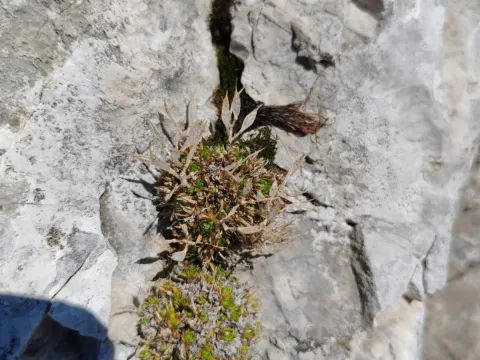
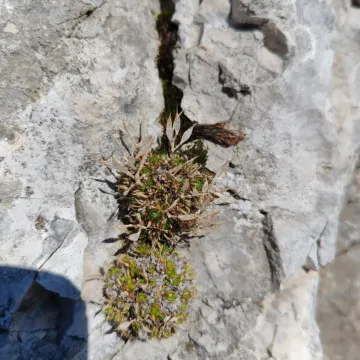
Rough whitlow-grass (Draba aspera) is a perennial herbaceous plant belonging to the Brassicaceae family. In agronomy, it is recognized as a hardy, low-growing species that thrives in specialized environments, particularly those mimicking its native alpine ecological niche.
The plant originates from the mountainous regions of Europe, where it has evolved to withstand low temperatures and rocky substrates. This evolutionary history makes it highly resistant to frost and drought, allowing for potential utilization in high-altitude agricultural experiments or challenging soil restoration projects.
Botanically, Draba aspera is defined by its basal rosette of hairy leaves, which prevent water loss, and upright inflorescences bearing small flowers. The specific epithet "aspera" refers to the rough texture of the foliage, a key feature in distinguishing the species within the diverse Draba genus.
Regarding cultivation requirements, the species demands mineral-rich, well-draining soils with a neutral to slightly alkaline pH. Proper aeration is crucial; therefore, growers often incorporate aggregate materials such as limestone grit or perlite into the cultivation media to prevent root suffocation and maintain plant health.
The practical application of this plant is primarily focused on rock gardening and soil stabilization in alpine environments. Farmers and gardeners should remain vigilant against common Brassicaceae pathogens and pests that can impact growth:
- Crucifer flea beetles, which damage young, tender leaf tissues.
- Powdery mildew, appearing during periods of high humidity and poor air circulation.
- Root rots caused by poor substrate drainage or improper irrigation management.
Photo gallery