Draba athoa
Draba athoa
Description
Draba athoa is a perennial herbaceous plant belonging to the Brassicaceae (Mustard) family. This species is highly specialized, having evolved to thrive in the harsh, rocky environments of high-altitude regions, making it a point of interest for both alpine botanists and horticulture enthusiasts.
The native range of this plant is primarily situated in mountainous regions, notably around Mount Athos, where it inhabits crevices and steep, rocky slopes. The plant is well-adapted to environments characterized by shallow soil, significant drainage, and exposure to intense sunlight and wind, which define its biological resilience.
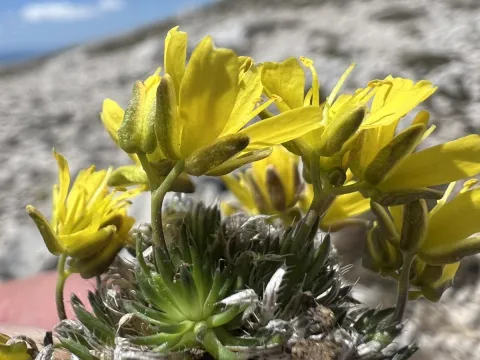
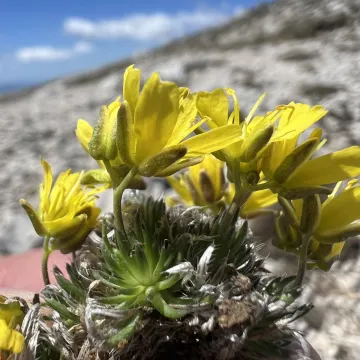
Botanically, Draba athoa is characterized by its basal rosettes of leaves, which are often pubescent to mitigate water loss. The plant produces small, vibrant yellow flowers organized in racemes during the spring blooming season. Its deep-reaching taproot is a crucial adaptation, allowing it to anchor into rocky crevices and access moisture stored deep within the stone fissures.
When cultivating Draba athoa, the primary requirement is providing a substrate that mimics its natural habitat, typically consisting of well-draining grit or gravel mixed with mineral-rich soil. It is essential to ensure that the site does not hold water, as the plant is highly susceptible to root decay when subjected to moisture-retaining conditions. Regular watering should be avoided, especially during dormant periods.
The primary use of Draba athoa is ornamental, specifically within the context of rock gardens, scree beds, and trough gardens. Its compact growth habit and early flowering display make it a favored subject for collectors of high-mountain flora. While not a commercial field crop, its ability to survive in nutrient-poor environments makes it a potential subject for low-maintenance landscaping.
Pests such as snails and slugs can pose a threat to the foliage in early spring, particularly in damp climates. Diseases are largely limited to root and crown rots, which are almost exclusively caused by improper soil drainage or excessive humidity. Maintaining high air circulation and keeping the crown of the plant dry with a grit top-dressing are the best preventative measures against these issues.
Photo gallery