Woolly whitlow-grass
Draba tomentosa
Description
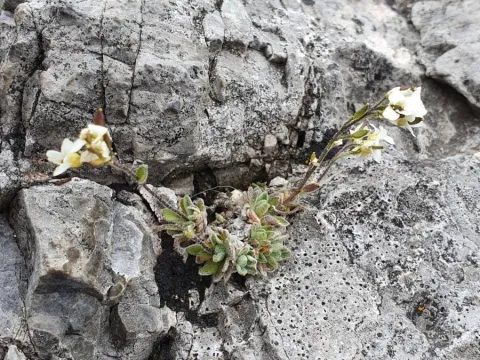
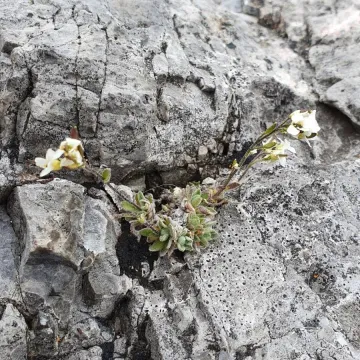
Woolly whitlow-grass (lat. Draba tomentosa) is a perennial herbaceous plant belonging to the Brassicaceae family. This species is native to high-altitude mountain regions, specifically the Alps, where it thrives in harsh, nutrient-poor conditions on rocky slopes and alpine screes.
The plant is distinguished by its compact growth habit, forming low rosettes of leaves. The botanical name refers to the dense, woolly hairs covering the foliage, an evolutionary adaptation that protects the plant from intense mountain sunlight and reduces transpirational water loss in dry, windy environments.
Regarding climate and soil requirements, Draba tomentosa demands excellent drainage and a neutral to slightly alkaline soil composition. It is poorly adapted to heavy, water-retentive clay soils, which can induce fatal root rot. The plant prefers cool climates with full sun exposure, mimicking its natural habitat above the timberline.
Cultivation practices should emphasize the prevention of moisture accumulation around the crown of the plant. A top dressing of fine gravel or grit is often recommended to keep the foliage from direct contact with wet soil. This approach is standard for rock garden horticulture to ensure longevity of the specimens.
- Requires well-drained, gritty soil.
- Thrives in full sun to light shade.
- Susceptible to root rot if overwatered.
- Ideal for rock gardens and crevice planting.
In terms of agricultural and horticultural use, this species is primarily cultivated for ornamental purposes in rock gardens and alpine houses. Pest issues are minimal, but protection from slugs and ensuring proper aeration are essential to manage potential fungal pathogens in humid weather.
Photo gallery