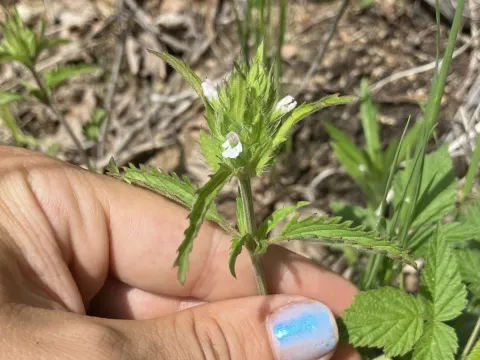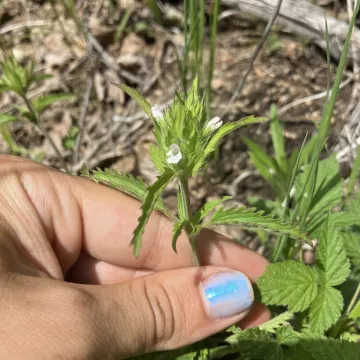
American dragonhead
Dracocephalum parviflorum Nutt.
Description
American dragonhead (Dracocephalum parviflorum Nutt.) is an annual herbaceous plant belonging to the Lamiaceae family. It is recognized for its unique adaptation to diverse environments and serves as an interesting subject for both botanical research and agricultural experimentation in various climatic zones.
The plant originates from North America, where it thrives in natural habitats such as dry woodlands, rocky slopes, and disturbed areas. This evolutionary heritage allows the species to demonstrate high resilience when cultivated on marginal lands, providing a viable option for farmers seeking low-input cropping systems.
Botanically, it features an erect stem typically reaching 60–80 cm in height with opposite leaves. The small flowers are densely packed into terminal spikes. Its root system is relatively shallow but efficient, allowing the plant to tolerate dry spells once it has established itself after the early growth phase.
For successful cultivation, the crop requires well-drained soil and full sun exposure. It performs best in sandy or loamy soils with a neutral pH level. Effective crop management entails early spring sowing to ensure that the plant reaches its peak growth before the hottest summer months, requiring minimal supplemental irrigation once the canopy closes.
The main agricultural and economic uses include:
- Value as a high-quality forage plant for apiculture to support healthy bee populations.
- Use in soil conservation efforts due to its ability to colonize and stabilize poor or disturbed soils.
- Potential extraction of secondary metabolites for pharmaceutical and cosmetic applications.
- Small-scale ornamental usage for xeriscaping or naturalized meadows.
Pests such as aphids and flea beetles can cause damage during the seedling stage, requiring vigilant monitoring. Common diseases, specifically root rots, are usually linked to waterlogged conditions. Maintaining proper spacing and selecting well-draining fields are key strategies to prevent yield loss and ensure healthy crop development.
Photo gallery