Dracocephalum rupestre
Dracocephalum rupestre
Description
Dracocephalum rupestre, commonly known as the rock dragonhead, is a perennial herbaceous plant belonging to the Lamiaceae family. It is recognized for its compact growth habit and its ability to thrive in extreme high-altitude environments, making it a unique subject for agricultural research and specialized horticulture.
The plant originates from the high-mountain regions of Central Asia, particularly the Himalayas and the Tibetan Plateau. Its natural habitat includes rocky slopes and alpine meadows, where it has evolved to withstand intense solar radiation, poor soil conditions, and significant temperature fluctuations between day and night.
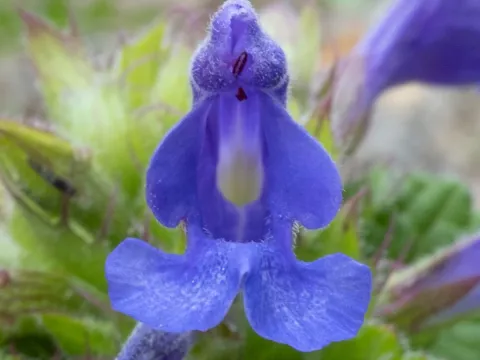
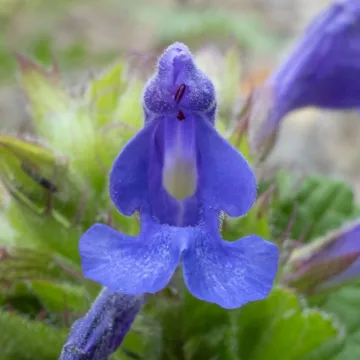
Botanically, it is characterized by a strong taproot and a rosette of leaves from which flowering stems emerge. The flowers are arranged in terminal spikes and are typically vibrant blue or violet. The entire plant is highly aromatic, releasing a distinctive scent when bruised, which is a hallmark of the Dracocephalum genus.
Agronomic requirements are centered on soil drainage and exposure. It performs best in gritty, well-aerated substrates that prevent moisture accumulation at the crown. In cultivation, it requires a position in full sun to maximize the production of essential oils. Fertilizer application should be conservative to avoid excessive vegetative growth that could compromise the plant's structural integrity.
The economic value of this crop is primarily found in its essential oils, which possess antimicrobial and antioxidant properties. It is increasingly being explored for use in the nutraceutical industry and as a specialized culinary herb. Monitoring for pests like aphids and maintaining low humidity levels are essential practices to ensure a high yield of high-quality plant material.
Photo gallery