Northern dragonhead
Dracocephalum ruyschiana
Description
The Northern dragonhead (Dracocephalum ruyschiana) is a perennial herbaceous plant belonging to the Lamiaceae family. This species is widely recognized for its medicinal value and its role as a superior nectar source, making it a staple in sustainable agricultural and apicultural systems.
The plant is native to a broad range of regions across Europe and Asia, extending into Siberia and the Far East. It is well-adapted to temperate climates and demonstrates significant cold hardiness. This resilience allows it to thrive in diverse geographical zones, provided that the basic growing requirements are met.
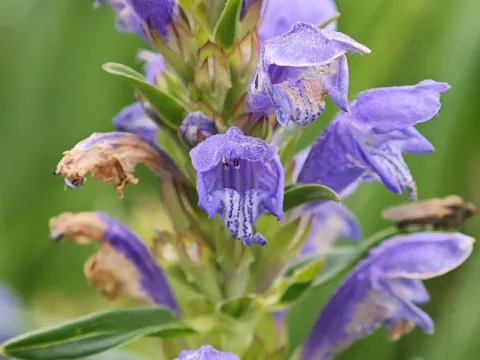
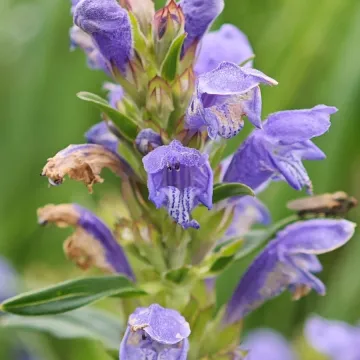
Botanically, the species is characterized by its erect stems reaching 30–60 cm, narrow lanceolate leaves, and striking blue to purple bilabiate flowers arranged in spike-like inflorescences. Its deep-reaching taproot system grants it impressive stability and drought resistance, which are highly desirable traits in low-input farming.
To ensure optimal growth, the crop requires well-drained, fertile soils with a neutral pH. It is sensitive to waterlogging, necessitating the selection of elevated or well-aerated sites. Cultivation practices include methodical soil preparation, appropriate seed spacing to manage competition, and diligent weeding during the early vegetative stages.
The primary economic use of the Northern dragonhead centers on its high-quality honey production, which is prized for its unique flavor and medicinal properties. Additionally, the herb is harvested for the pharmaceutical industry due to its concentration of volatile oils. While robust, the plant can be susceptible to aphids and root rot if site drainage is poorly managed.
Photo gallery