Dao tree
Dracontomelon dao (Blanco) Merr. & Rolfe
Description
The Dao tree (Dracontomelon dao) is a majestic tropical evergreen species belonging to the Anacardiaceae family. Known for its impressive size, it can reach heights of up to 50 meters. The tree is characterized by its large, spreading canopy and distinctive buttress roots that provide stability in the wet, often soft soil of its native tropical habitat.
Native to Southeast Asia, including countries like the Philippines, Vietnam, Indonesia, and Malaysia, this species thrives in humid rainforest environments. It is frequently found in low-lying areas, riverbanks, and alluvial plains where the climate remains consistently warm and humid throughout the year, supporting its vigorous growth cycle.
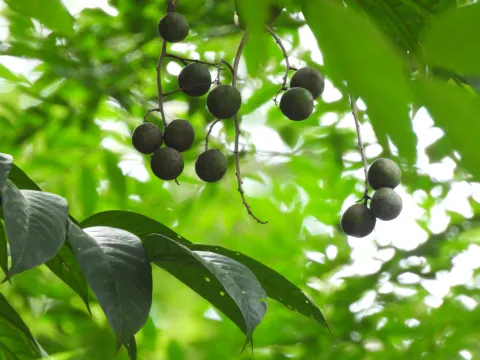
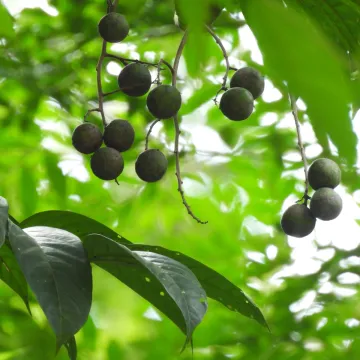
Botanically, Dracontomelon dao features pinnately compound leaves and clusters of small, pale flowers. The tree produces edible drupes, which are yellow to brown when mature. These fruits serve as a critical food source for local wildlife, facilitating natural seed dispersal and the maintenance of biodiversity within the forest ecosystem.
In terms of cultivation, the Dao tree requires deep, fertile, and well-drained soils rich in organic matter. Agricultural and forestry practices focus on maintaining adequate moisture levels while ensuring proper soil aeration. Young saplings benefit from partial shade to mimic the natural forest floor conditions, which protects them from excessive heat and direct sunlight during their early developmental stages.
The economic value of this tree is primarily derived from its high-quality timber, which is highly sought after for furniture making, cabinet work, and interior flooring due to its attractive grain and durability. Beyond commercial logging, the species is increasingly utilized in reforestation projects, as it grows relatively quickly and contributes significantly to ecological restoration efforts in its native range.
- Common pests: stem-boring insects and foliage-eating caterpillars.
- Typical diseases: root rot caused by poor soil drainage.
- Optimal conditions: consistent tropical temperatures and high humidity are essential for survival.
Photo gallery