
Canary dragon lily
Dracunculus canariensis
Description
Canary dragon lily, known scientifically as Dracunculus canariensis, is a tuberous perennial plant belonging to the Araceae family. This species is highly valued in horticulture for its distinct morphological characteristics and serves as a premium specimen in botanical collections and Mediterranean-style landscape designs.
Originating from the Canary Islands, this plant is inherently adapted to a subtropical climate. Its native habitat provides the necessary warmth and humidity patterns required for healthy tuber development. In cultivation, it is widely recognized as a non-hardy plant in temperate regions, necessitating frost protection or indoor cultivation throughout the winter months to prevent cold damage.
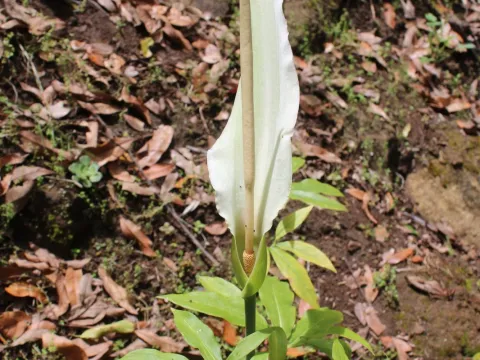
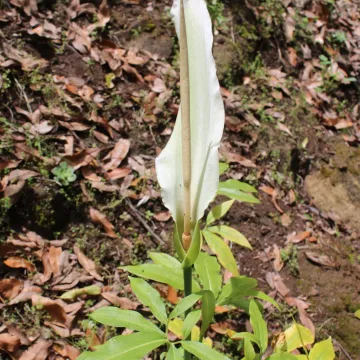
The botanical structure of the plant centers around a large underground tuber, which produces striking, often divided leaves in the spring. The inflorescence consists of a characteristic spathe and spadix arrangement, typical of the Arum family, though Dracunculus canariensis is distinguished by its specific coloration and size of the spathe, which can create a significant visual impact in the garden.
Agronomic requirements for this crop focus on providing a well-draining, nutrient-rich, and slightly acidic substrate. Proper moisture management is critical: consistent irrigation is necessary during the active growing season, but the substrate must be kept relatively dry during the dormant phase to prevent the tuber from rotting. Adequate light, preferably filtered or partial shade, is essential to maintain leaf health.
The primary use of this crop is in the ornamental sector, including garden design, interior plant scaping in conservatories, and specialty nursery production. While generally robust, the plant is susceptible to several stressors:
- Root rot caused by poorly draining soils.
- Infestations of aphids and spider mites in greenhouse settings.
- Fungal leaf spots during periods of excessive humidity and poor air circulation.
Photo gallery