Drepanostachyum falcatum
Drepanostachyum falcatum
Description
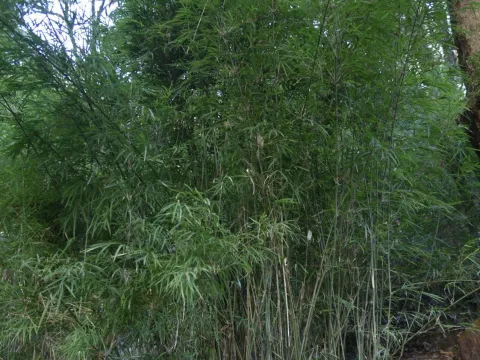
Drepanostachyum falcatum is a perennial evergreen plant belonging to the Poaceae family and the Bambusoideae subfamily. It is recognized as a graceful, clumping bamboo species that forms dense, attractive thickets. Unlike running bamboos, this species grows in a non-invasive manner, making it a highly valued plant for both managed agricultural landscapes and private ornamental gardens.
The native distribution of this plant includes the Himalayan regions, spanning across India, Nepal, and Bhutan. Naturally adapted to mountain foothills, it thrives in environments characterized by moderate temperatures and consistent moisture levels. Its ability to adapt to varying altitudes has allowed it to become a staple in many subtropical regions around the world where it is cultivated for specific technical and aesthetic purposes.
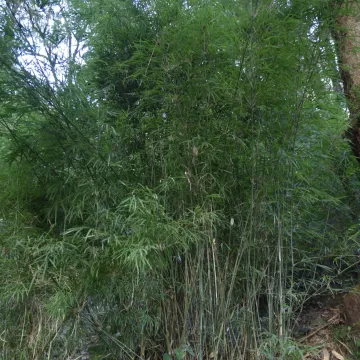
Botanically, this bamboo is characterized by its slender, flexible culms that can grow up to 5 meters in height. The foliage consists of narrow, lanceolate leaves that are deep green and often drape elegantly, giving the plant a weeping appearance. The root system is pachymorph, meaning it develops in a clumped pattern, which allows the plant to stay contained without the need for complex root barrier installations.
Cultivation of Drepanostachyum falcatum requires well-drained, fertile soil rich in organic matter. While it prefers neutral to slightly acidic soil conditions, the most critical factor in its successful management is moisture regulation. It requires consistent irrigation, particularly during the growing season, to maintain its lush appearance. While it can withstand light frosts, it performs best in sheltered areas protected from strong, desiccating winds.
Economically, Drepanostachyum falcatum is utilized for a variety of purposes. In rural agriculture, its flexible culms are highly sought after for weaving baskets, constructing light agricultural structures, and crafting garden furniture. In addition to these technical uses, it is sometimes utilized in agroforestry systems as a windbreak or a source of supplemental fodder for livestock in regions where other forage crops may be scarce.
- Non-invasive, clumping growth habit.
- Highly flexible culms ideal for weaving.
- Excellent ornamental value for landscaping.
- Moderate water requirements compared to other bamboo species.
Photo gallery