Winter's bark
Drimys winteri
Description
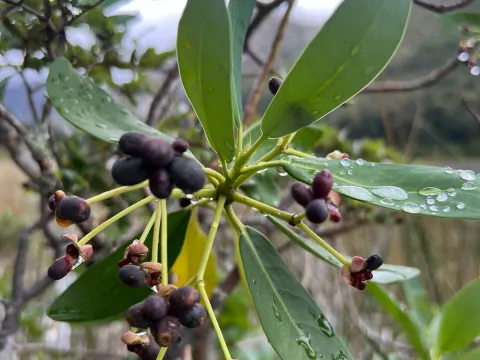
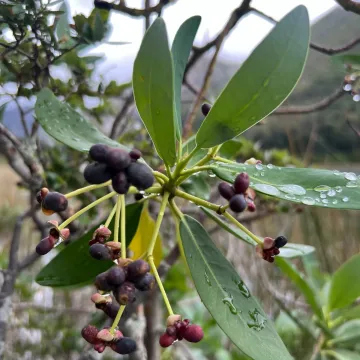
Winter's bark (Drimys winteri) is an evergreen tree or shrub native to the Winteraceae family. Historically significant, it gained fame during the expeditions of Captain John Winter, who discovered that the bark served as a potent remedy for scurvy due to its high vitamin content.
The plant originates from the temperate rainforests of South America, specifically Chile and Argentina. In cultivation, it thrives in cool, humid, and sheltered environments. It is highly valued not only for its botanical uniqueness but also for its aesthetic appeal in parks and gardens located in moderate oceanic climates.
The species features glossy, leathery leaves with a distinct silver-white underside. Its flowers, which appear in clusters, are highly aromatic and attract various pollinators. The tree can reach significant heights under optimal conditions, growing at a moderate pace, which allows for stable management in a cultivated nursery setting.
Agronomic requirements include deep, acidic, well-drained soils rich in organic matter. The species is sensitive to extreme frost and drought, necessitating consistent irrigation during dry spells and protection from harsh winds. Propagation is primarily achieved through cuttings or stratification of seeds, requiring strict moisture control to ensure high germination rates.
The хозяйственное utility of Winter's bark includes several key sectors:
- Medicinal: Bark extracts provide antiseptic and anti-inflammatory properties.
- Culinary: Used as a pungent, pepper-like spice in specialized kitchens.
- Landscape: A premier choice for woodland gardens and ornamental display.
- Industrial: Research into its essential oils for natural pesticides and flavorings.
Regarding health management, the crop is susceptible to root rot if the soil remains waterlogged for extended periods. Common pests such as aphids and scale insects may infest the foliage, requiring integrated pest management strategies. Consistent monitoring and proper spacing are essential to ensure the vitality of the stands.
Photo gallery