
Drusa glandulosa
Drusa glandulosa
Description
Drusa glandulosa is a distinct herbaceous plant belonging to the Apiaceae family. It stands out as a monotypic genus, representing a fascinating example of botanical specialization within the Umbelliferae group. Its unique evolutionary path makes it a subject of high interest for botanical researchers worldwide.
The plant originates exclusively from the Canary Islands, where it thrives in specific ecological niches. It is typically found in rocky habitats and mountain slopes within the forest belts of the archipelago. Its endemic nature means that it has adapted perfectly to the mild, humid, and oceanic climate of the Macaronesian region.
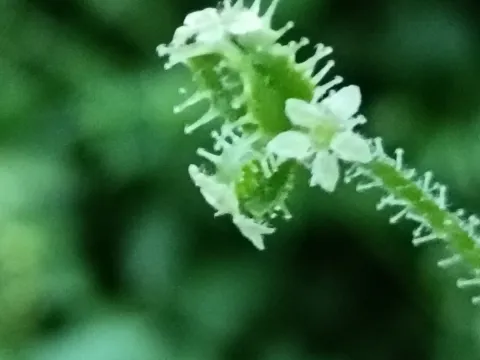
From a botanical perspective, the plant is characterized by its glandular-pubescent stems and complex, pinnate leaves. The flowers are arranged in umbrella-like clusters, known as umbels, which are structurally optimized for pollination by local insect species. These features allow the plant to colonize challenging, stony substrates effectively.
Regarding agrotechnical requirements, the plant demands well-drained, mineral-rich soils, preferably with a high content of volcanic components. Soil aeration is vital for the health of the root system, as stagnant water is a primary cause of mortality in cultivation. A stable, cool temperature regime with consistent air humidity is necessary for successful propagation.
Current economic use of Drusa glandulosa is limited to scientific research and conservation in botanical gardens rather than commercial agriculture. However, its genetic diversity holds potential for future breeding programs within the Apiaceae family. Typical pests include small insects common to island vegetation, while fungal infections can occur if the humidity levels are not properly regulated.
Photo gallery