Mountain avens
Dryas octopetala L.
Description
Mountain avens, scientifically known as Dryas octopetala, is a prostrate, evergreen dwarf shrub belonging to the Rosaceae family. It is widely recognized in horticulture for its exceptional hardiness and its ability to form dense, mat-like ground covers that are perfect for alpine and rock gardens. This species is highly valued for its aesthetic appeal during both its flowering period and the subsequent seed-bearing phase.
The plant originates from the Arctic and high-altitude regions of the Northern Hemisphere. Its natural distribution encompasses mountainous regions in Europe, Asia, and North America, where it thrives on limestone outcrops, rocky slopes, and scree. This ecological background dictates the plant's robust nature, allowing it to survive harsh winter conditions and thrive in low-nutrient, rocky soils.
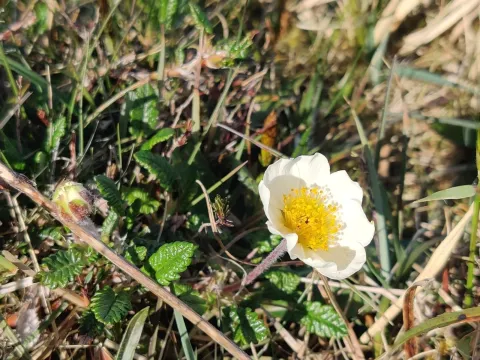
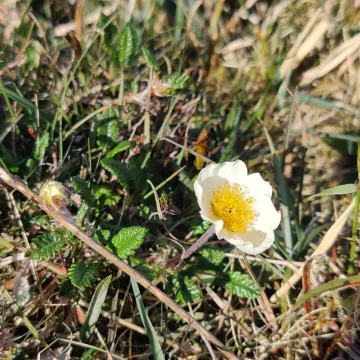
Botanically, Dryas octopetala is characterized by its woody, creeping stems and small, leathery, elliptical leaves with serrated margins. The flowers are arguably its most distinct feature: they typically have eight white petals arranged around a cluster of yellow stamens. These flowers are heliotropic, meaning they track the sun across the sky, which helps optimize the plant's reproductive success in cold, short-season environments.
Successful cultivation requires strict adherence to specific horticultural practices that simulate the plant's native rocky habitat. Key growing requirements include:
- Excellent drainage is critical; the plant cannot tolerate waterlogged conditions.
- A preference for alkaline to neutral, gritty, and low-fertility soils.
- Full sun exposure is necessary to maintain compact growth and encourage flowering.
- Minimal maintenance once established, as the plant is naturally adapted to poor conditions.
In landscaping, Mountain avens is primarily used as a ground cover in alpine rock gardens or for soil stabilization on sunny, well-drained slopes. Regarding health, the plant is generally resistant to most pests; however, it can be susceptible to root rot or fungal issues if planted in heavy, damp soils. Ensuring proper aeration and avoiding excessive irrigation are the primary agronomic strategies to prevent these problems and ensure long-term plant vigor.
Photo gallery