
Drymaria hirsuta
Drymaria hirsuta
Description
Drymaria hirsuta is a botanical species belonging to the Caryophyllaceae family. As a herbaceous plant, it possesses unique physiological adaptations that allow it to thrive in specific environmental niches. While not widely cultivated as a staple crop, it holds interest for research due to its resilient nature and specialized ecological requirements.
The origin of this species is traced back to the mountainous terrains of the Americas. Its natural habitat includes rocky slopes and forested areas where the environmental conditions provide a balance between moisture availability and drainage. These geographic origins define its fundamental requirements for temperature, light exposure, and humidity in an agricultural setting.
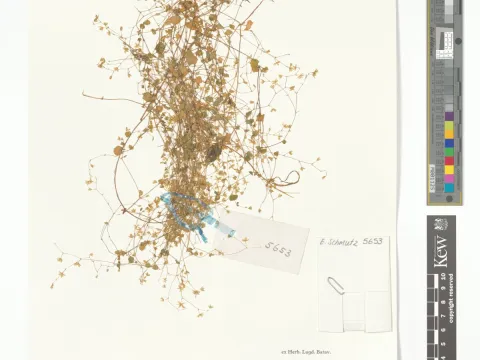
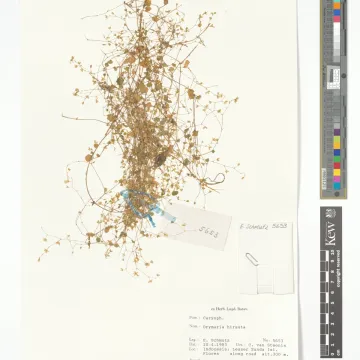
Botanically, the plant is characterized by its hirsute (hairy) appearance on both the stems and leaves, which serves as a protective mechanism against environmental stressors. The leaves are typically arranged in a simple pattern, and the plant exhibits a prostrate or semi-erect growth habit, depending on the availability of nutrients and space.
In terms of agronomy, Drymaria hirsuta requires well-drained, porous soils with a neutral pH level. It is highly sensitive to waterlogging, which necessitates meticulous attention to site selection and soil preparation. The cultivation process should focus on mimicking its natural light conditions, often favoring partial shade over direct, intense sunlight to prevent desiccation.
The primary agricultural utility of Drymaria hirsuta lies in its potential for soil conservation and erosion control. Due to its growth structure, it can act as a ground cover, protecting sensitive landscapes from wind and water erosion. Furthermore, it serves as an interesting candidate for ecological studies regarding plant-soil interactions in fragile high-altitude ecosystems.
Typical plant health issues for this species include root rot if drainage is insufficient and susceptibility to common pests like aphids or thrips. Effective management involves monitoring leaf surfaces and maintaining optimal field hygiene to prevent the spread of fungal pathogens that are common within the Caryophyllaceae family in humid climates.
Photo gallery