Sticky cinquefoil
Drymocallis glandulosa
Description
Sticky cinquefoil (Drymocallis glandulosa) is a perennial herbaceous plant belonging to the Rosaceae family. Formerly associated with the Potentilla genus, this species is now recognized for its unique botanical traits and adaptability, making it a valuable subject for research and ornamental horticulture in specific climatic zones.
Native to western North America, the species thrives in a variety of environments, ranging from mountain meadows to rocky slopes. Its natural distribution suggests high resilience to varying climatic conditions, including fluctuations in temperature and soil quality, which is beneficial for its potential use in low-maintenance landscaping.
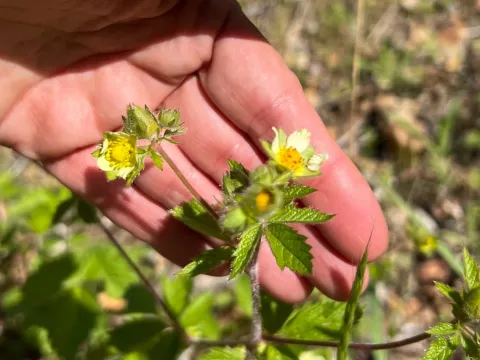
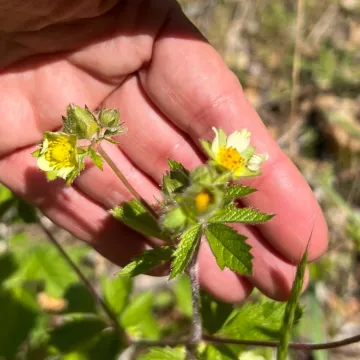
Botanically, the plant is distinguished by the presence of glandular hairs on its stems and foliage, which provide a sticky texture. It develops a basal rosette of pinnate leaves and produces branched stems topped with clusters of pale yellow or creamy flowers. This growth habit creates a dense ground cover during the active growing season.
Cultivation requirements focus on providing well-drained, fertile soil and adequate exposure to sunlight. The plant prefers sites with good aeration to prevent root rot. Agricultural practices involve periodic monitoring of soil moisture, weed management, and the removal of spent flower heads to maintain the aesthetic quality of the planting.
Regarding pest and disease management, the plant can be susceptible to common issues such as aphids and fungal pathogens like powdery mildew, especially in humid conditions. Integrated pest management (IPM) strategies, including proper spacing and sanitation, are recommended to maintain plant health and vigor in ornamental settings.
Photo gallery