Turquoise berry
Drymophila cyanocarpa
Description
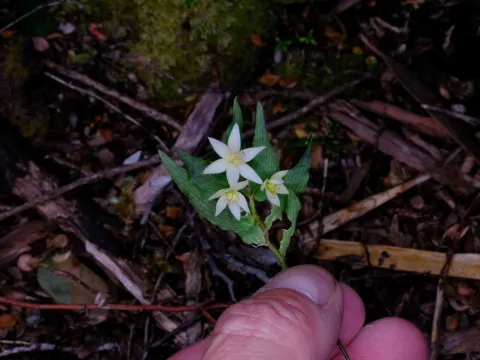
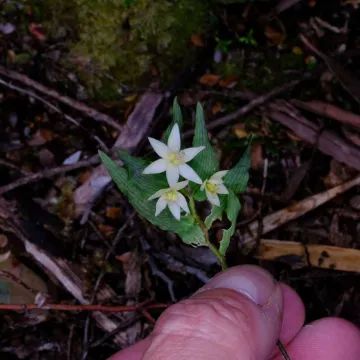
Turquoise berry (Drymophila cyanocarpa) is a distinctive perennial herbaceous plant belonging to the Melanthiaceae family. It is a specialist species that thrives in temperate forest understories, often overlooked in mainstream agriculture but highly valued by botanists and specialized plant collectors for its unique life cycle.
The plant is native to the southeastern regions of Australia and Tasmania. It inhabits moist, cool forest environments, where it typically grows beneath dense canopy cover. Because of its restricted natural distribution, it requires specific environmental conditions to survive outside of its native habitat, making it a niche interest for gardeners focused on native flora and ecological restoration.
From a botanical perspective, Drymophila cyanocarpa is characterized by its rhizomatous root system, which allows it to spread slowly through leaf litter. The foliage consists of alternate lanceolate leaves, while the flowers are pendulous, white to pale pink in color, and bloom in spring. The plant’s most striking feature is its fruit: small, globose, bright blue berries that provide a unique aesthetic contrast against the forest floor.
Cultivation of this species requires meticulous attention to the soil profile. It thrives in well-draining, humus-rich acidic soils that remain cool throughout the growing season. Successful husbandry depends on mimicking its native environment through:
- Maintaining consistent soil moisture levels.
- Providing shade to prevent leaf scorching.
- Using organic mulch to regulate root temperatures.
In terms of хозяйственное использование, this plant is primarily used as an ornamental groundcover for shady gardens or specialized terrarium setups. It has limited agricultural significance regarding large-scale food production. Typical health challenges include susceptibility to fungal pathogens when drainage is poor and predation by slugs and snails, which can significantly defoliate the plant during its active spring growth phase.
Photo gallery