Drypetes indica
Drypetes indica
Description
Drypetes indica is a distinctive evergreen tree species belonging to the family Putranjivaceae. Previously classified within the Euphorbiaceae family, this plant is recognized for its ecological importance and its contribution to the dense tropical forest canopies of South and Southeast Asia.
The native range of this species extends across the Indian subcontinent and parts of Southeast Asia, thriving in tropical moist evergreen forests. It is highly adapted to humid conditions and stable temperatures, making it a key component of its native forest ecosystem where it provides shade and shelter for diverse fauna.
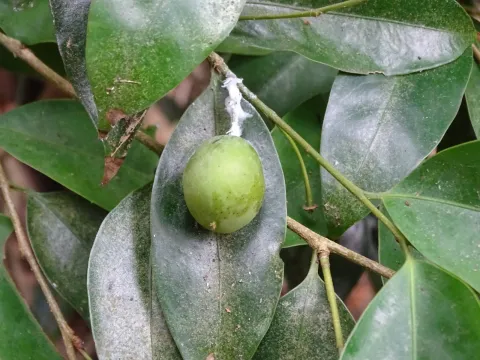
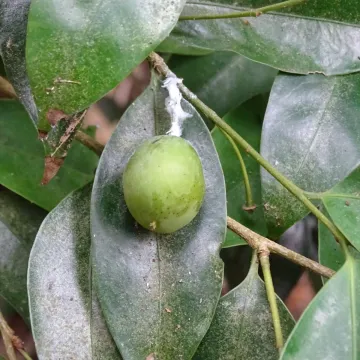
Botanically, Drypetes indica is characterized by its sturdy stature, leathery dark green leaves, and dioecious flower structure. The tree produces drupaceous fruits that are essential for local biodiversity, serving as a food source for various birds and small mammals in its natural habitat.
Agricultural requirements for successful cultivation include well-drained, nutrient-rich soils with sufficient organic matter. In nursery settings, it is vital to provide partial shade during the early growth stages to prevent desiccation. Consistent irrigation is necessary, as the species does not tolerate prolonged dry spells or extreme drought conditions.
The primary economic value of the species lies in its dense, durable wood, which is utilized for construction and carpentry. Management practices for this crop emphasize the importance of monitoring for fungal infections and wood-boring pests, which can cause significant damage if the trees are stressed or overcrowded in plantation settings.
Photo gallery